
Unit 2
History
From the Stone Age to Brexit
Compress the same material into quick recall: short fact blocks, heuristics, and distinctions you can revisit before practice.
Review
Condense the unit into quick recall
This is the tighter pass: fact blocks, heuristics, and visual summaries that make the material easier to retrieve under pressure.
History CHEAT CARD
- 1066: Norman Conquest — Battle of Hastings
- 1215: Magna Carta — king subject to law
- 1689: Bill of Rights — constitutional monarchy
- 1918: WWI ends — women vote at 30
- 1928: Equal voting at 21
- 1948: NHS created by Nye Bevan
- 1998: Good Friday Agreement
- D-B-D-D-B-S: Henry VIII's wives
The Date Ladder
Master these 9 dates and you have the skeleton of British history
Britain separated from the continent
Rising sea levels after the Ice Age cut Britain off from mainland Europe.
First farmers arrive / Stonehenge Common
Came to Britain from South-East Europe. Stonehenge in Wiltshire was probably a special gathering place for seasonal ceremonies. Skara Brae on Orkney is the best-preserved prehistoric village in northern Europe.
The test might ask: What was Stonehenge probably used for?
Bronze Age begins / Iron Age Common
Bronze Age people lived in roundhouses and buried dead in round barrows. In the Iron Age, people lived in hill forts — Maiden Castle in Dorset is the most impressive. They spoke Celtic languages, were farmers, craft workers and warriors, and minted the first coins in Britain inscribed with kings' names.
The test might ask: Where is a well-known Iron Age hill fort?
Failed Roman invasion
Julius Caesar attempts first Roman-led invasion but fails.
Successful Roman invasion
Emperor Claudius successfully invaded Britain.
Boudicca's rebellion
Queen of the Iceni tribe, led a rebellion against the Romans. Her statue stands on Westminster Bridge.
Hadrian's Wall built Common
Emperor Hadrian built a wall in northern England to keep out the Picts. The forts of Housesteads and Vindolanda can still be seen. It is a UNESCO World Heritage Site.
The test might ask: Why was Hadrian's Wall built?
Romans leave Britain
Roman army leaves to defend Rome and never returns.
Anglo-Saxon kingdoms Common
Angles, Saxons, and Jutes from northern Europe settled in Britain. Gave England its name (Angle-land). Sutton Hoo burial site dates from this era. Missionaries spread Christianity: St Augustine from Rome became the first Archbishop of Canterbury; St Columba founded a monastery on Iona; St Patrick became patron saint of Ireland.
The test might ask: Who was the first Archbishop of Canterbury?
Vikings arrive / Danelaw Common
Came from Norway and Denmark, eventually defeated by King Alfred the Great. Viking settlers stayed in the east and north of England in an area known as the Danelaw — place names like Grimsby and Scunthorpe come from Viking languages. The first Danish king of England was Cnut (Canute).
The test might ask: What was the Danelaw?
Kenneth MacAlpin unites Scotland
Viking threats encouraged the northern peoples to unite under Kenneth MacAlpin. The term 'Scotland' began to be used for the country.
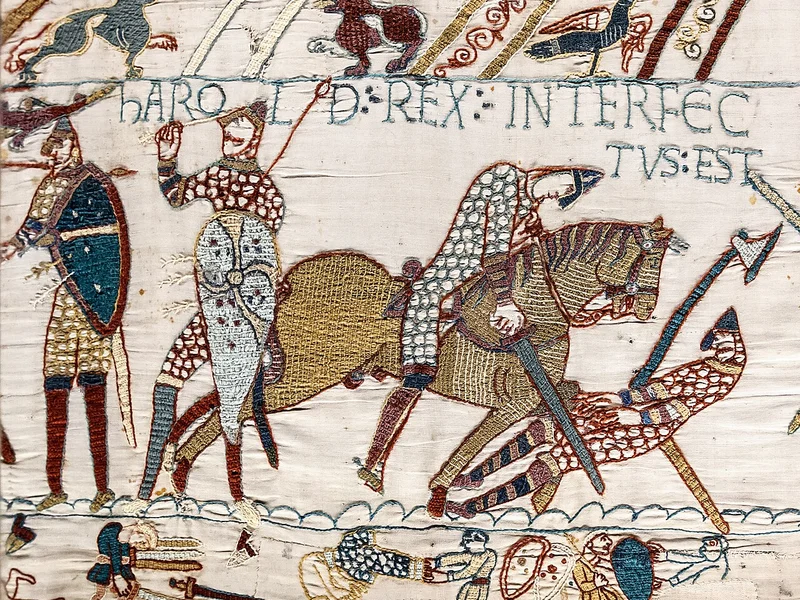
Norman Conquest Common
William (Duke of Normandy) the Conqueror wins Battle of Hastings and invades Britain. The battle is commemorated in the Bayeux Tapestry, a piece of embroidery nearly 70 metres long which can still be seen in France.
The test might ask: In which year did the Norman Conquest take place?
Key Monarchs
1066–1087
William I
Won Battle of Hastings, Domesday Book
1154–1189
Henry II
Common law, Thomas Becket murdered
1189–1199
Richard I
The Lionheart, absent crusading king
1272–1307
Edward I
Conquered Wales, Model Parliament
1413–1422
Henry V
Won Battle of Agincourt (1415)
1485–1509
Henry VII
First Tudor, ended Wars of the Roses
1509–1547
Henry VIII
6 wives, broke with Rome, Church of England
1558–1603
Elizabeth I
Defeated Spanish Armada, Golden Age
1603–1625
James I/VI
United crowns, King James Bible
1625–1649
Charles I
Executed after Civil War
1660–1685
Charles II
Restoration, Habeas Corpus
1689–1702
William III & Mary
Glorious Revolution, Bill of Rights
1837–1901
Victoria
Longest reign (63 yrs), British Empire peak
1952–2022
Elizabeth II
Longest-serving monarch (70 yrs)
2022–present
Charles III
Current monarch
Scroll to see all 15 monarchs →
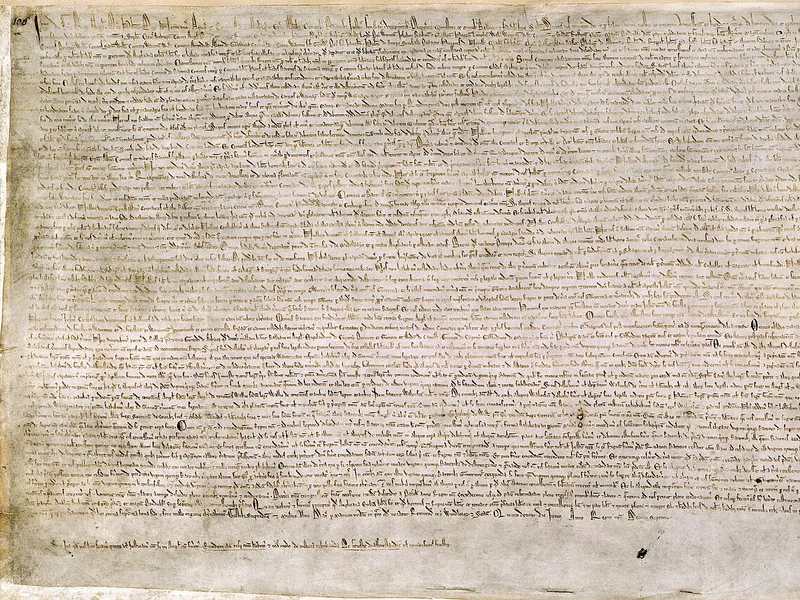
Magna Carta Common
The King is subject to the Law. Signed by King John.
The test might ask: What was agreed in 1215 that limited the king's power?
→ Result: the king is now subject to the law
Statute of Rhuddlan
King Edward I annexes Wales.
Battle of Bannockburn
Robert the Bruce (Scots) wins against the English.
Black Death
Kills 1/3 of the population. After which a new class 'the gentry' appeared — owners of large areas of land.
Battle of Agincourt
Henry V wins during the Hundred Years War against France.
Start of the Wars of the Roses
Houses of Lancaster (red rose) and York (white rose).
End of Wars of the Roses / Reformation begins
Battle of Bosworth. Lancaster wins over York. Henry VII becomes Tudor king. End of Middle Ages, start of the Reformation. England broke from Rome under Henry VIII (1530s); Scotland's Parliament abolished papal authority in 1560 and established a Protestant Church of Scotland.
Wars of the Roses (1455–1485)
House of Lancaster
- Henry VI — weak king, mental illness
- Red rose emblem
House of York
- Edward IV, Richard III
- White rose emblem
Tudor Resolution
- Henry VII (Tudor) married Elizabeth of York
- Joined the roses → Tudor rose (red + white)
- Wars ended 1485 at Battle of Bosworth Field
Edward VI — Book of Common Prayer
Henry VIII's son, strongly Protestant. During his reign the Book of Common Prayer was written for use in the Church of England. He died aged 15 after ruling for just six years.
Mary I — 'Bloody Mary'
Devout Catholic who persecuted Protestants, earning the nickname 'Bloody Mary.' She died after a short reign and was succeeded by her half-sister Elizabeth.
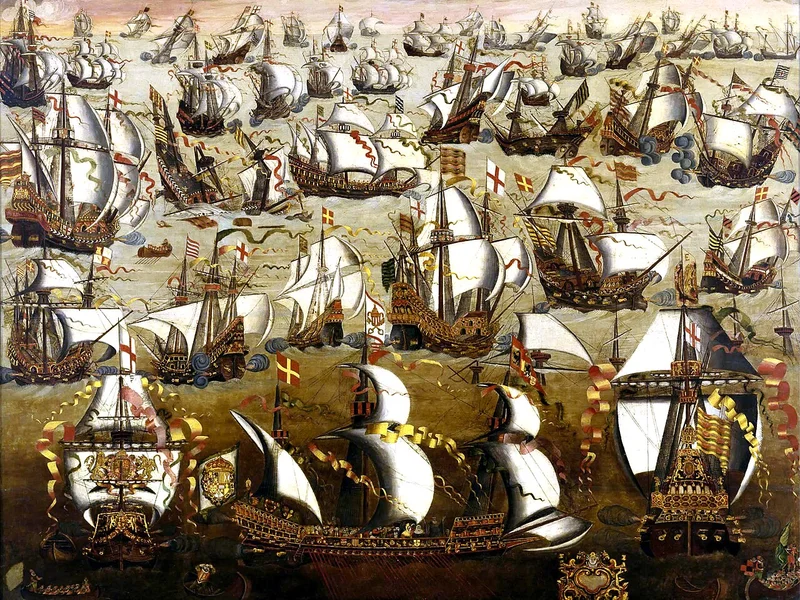
Spanish Armada defeated Common
Elizabeth I defeats Spanish invasion to convert Britain to Catholicism. Sir Francis Drake, one of the commanders, had earlier circumnavigated the world in the Golden Hind.
The test might ask: Who defeated the Spanish Armada?
James I — End of Tudor period
James VI of Scotland becomes James I of England. During the reigns of Elizabeth I and James I, the English government encouraged Protestant settlers from Scotland and England to settle in Ulster (the 'plantations'), taking land from Catholic landholders.
King James Bible
A new translation of the Bible into English, known as the 'King James Version' or the 'Authorised Version'. It continues to be used in many Protestant churches today.
Guy Fawkes / Gunpowder Plot
Catholics try to bomb Parliament to kill the Protestant king on 5th November.
English Civil War begins
After Charles I asked Parliament for money. Cavaliers (king) vs Roundheads (parliament). Key battles: Marston Moor (1644) and Naseby (1645).
Britain becomes a republic
After Charles I is executed. England declared itself a republic, called the Commonwealth.
English Civil War · 1642–1660
Civil War begins
Cavaliers (King) vs Roundheads (Parliament)
New Model Army
Cromwell's professional army turns the tide
Charles I executed
Only English king publicly executed; Republic declared
Cromwell = Lord Protector
Rules without a king
Cromwell dies
Son Richard too weak to hold power
Restoration
Charles II invited back; monarchy restored
First Jews in England / Cromwell dies 1658
Cromwell lets Jews return to England for the first time since the Middle Ages. Oliver Cromwell, the Lord Protector, died in 1658; his son Richard could not control the government, leading to calls for a king.
Charles II returns — The Restoration
He hid in an oak tree after being defeated at the Battle of Worcester (1651). Ends 11 years of republic.
The Plague
Great Plague of London.
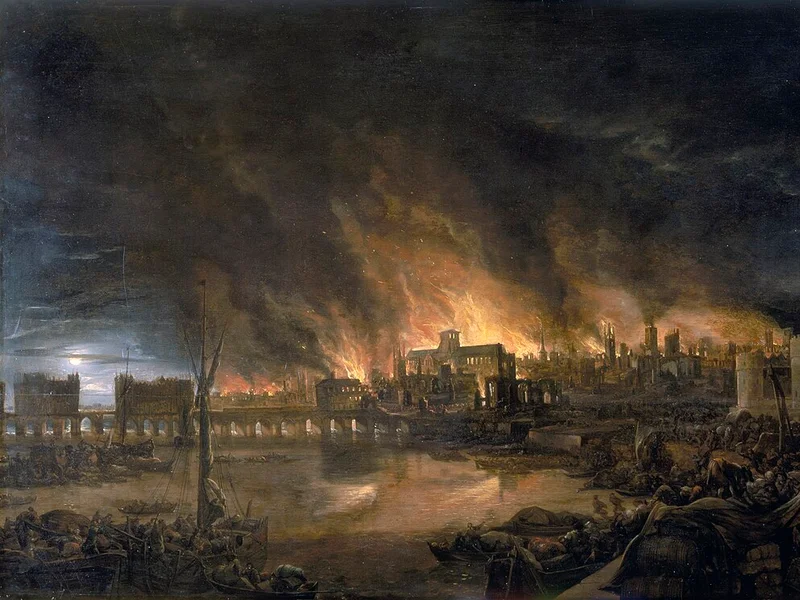
Great Fire of London
Destroyed much of the city including many churches and St Paul's Cathedral. London was rebuilt with a new St Paul's designed by the famous architect Sir Christopher Wren. Samuel Pepys wrote about the plague and fire in his diary, which is still read today.
Habeas Corpus Act
You must present the person in court — protection against unlawful detention.
Glorious Revolution & Bill of Rights Common
In 1688, Protestant leaders invited William of Orange to invade England. James II fled to France. The Bill of Rights (1689) gave Parliament more control over the King — constitutional monarchy begins.
The test might ask: What did the Bill of Rights establish?
→ Result: constitutional monarchy begins
Huguenots arrive from France Common
French Protestant refugees called Huguenots fled persecution and came to Britain. They were educated and skilled, working as scientists, in banking, and in weaving and other crafts.
The test might ask: Who were the Huguenots?
Battle of the Boyne
James flees to France with Jacobite supporters. William wins. The MacDonalds of Glencoe were killed for being late in swearing loyalty to William — the Glencoe massacre made some Scots distrust the new government.
Free press begins
Newspapers can operate without government licence.
All three in 16 years — the foundation of British democracy.
Act of Union
Kingdom of Great Britain is created, joining Scotland with England and Wales.
Act of Union — Ireland Common
Ireland joined to create the United Kingdom of Great Britain and Ireland. The Union Flag combined three crosses: St George (England, red cross on white), St Andrew (Scotland, white diagonal on blue), St Patrick (Ireland, red diagonal on white). Wales is not on the flag because it was already united with England when the first Union Flag was created in 1606.
The test might ask: Why is Wales not represented on the Union Flag?
Slave trade abolished
It became illegal to trade slaves in British ships or from British ports. William Wilberforce and other abolitionists campaigned for decades to change the law.
King George I
A German becomes king. His poor English increased his reliance on ministers, leading to Sir Robert Walpole becoming the first Prime Minister.
Bonnie Prince Charlie / Highland Clearances
Charles Edward Stuart (grandson of James II) tries to get the throne with Scots' help but loses at the Battle of Culloden. Afterwards, Scottish landlords destroyed small farms ('crofts') for sheep farming. Mass evictions became common in the early 19th century; many Scots left for North America.
Industrial Revolution
Britain became the first industrial nation. Richard Arkwright improved the carding machine and pioneered the factory system. James Watt improved the steam engine.
American colonies declare independence
13 colonies declare independence from UK.
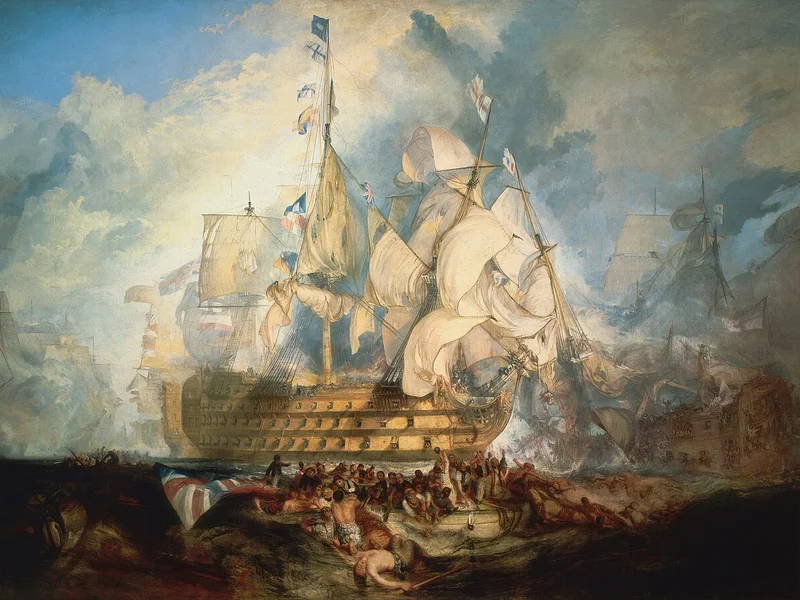
Battle of Trafalgar
British navy defeats Spanish and French. Admiral Nelson dies in the battle.
Battle of Waterloo
Duke of Wellington defeats Napoleon.
The Great Reform Act Common
Extended voting rights to middle-class men and abolished rotten boroughs.
The Chartists
Campaigners called the Chartists presented petitions to Parliament demanding six reforms for working-class voting rights. By 1918, most of their demands had been achieved.
Emancipation Act
End of slavery in the British Empire.
The test might ask: In which year was slavery abolished in the British Empire?
→ Result: slavery abolished throughout the British Empire
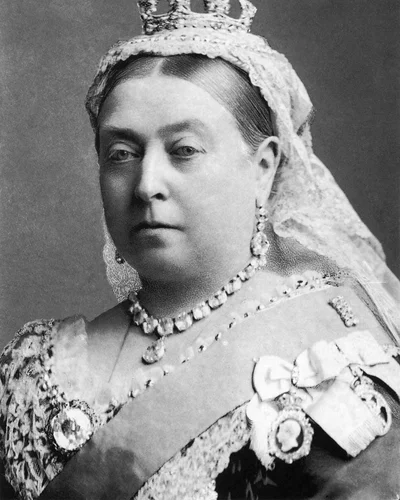
Queen Victoria begins reign Common
At the age of 18, she ruled for almost 64 years — the Victorian age.
Corn Laws repealed
The government repealed the Corn Laws, which had prevented the import of cheap grain. This helped British industry by allowing cheaper raw materials.
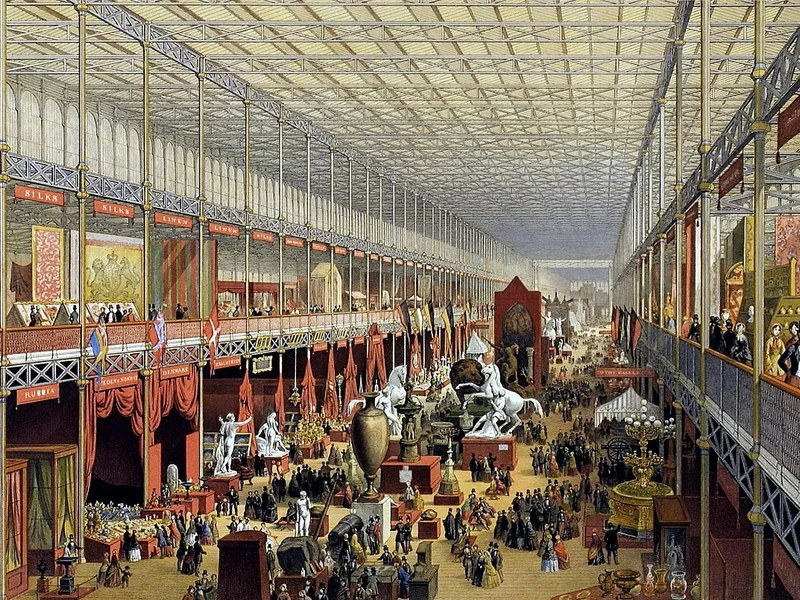
Great Exhibition
In Hyde Park, Crystal Palace.
Crimean War
Britain, France and Turkey fight Russia. Florence Nightingale nursed soldiers in Turkey and transformed hospital conditions. First conflict reported with photographs.
Second Reform Act
Extended voting rights to working-class men in towns.
Boer War Common
Britain fought in South Africa against Dutch settlers called the Boers. The war lasted over three years and made people question whether the Empire could continue.
The test might ask: Who were the Boers?
World War I Common
Triggered by assassination of Austrian Archduke Franz Ferdinand. More than 2 million British casualties. More than a million Indians fought for Britain; around 40,000 were killed. The Battle of the Somme (July 1916) saw about 60,000 British casualties on the first day alone. In 1916, there was also an uprising (the Easter Rising) against the British in Dublin — the leaders were executed under military law.
End of WW1 / Women vote at 30 Common
War ends on 11th November. Women can vote at the age of 30.
The test might ask: At what age could women first vote in 1918?
→ Result: women over 30 can vote for the first time
Also: End of WWI on 11 November
Ireland splits / BBC Radio
6 Protestant counties remain, the rest becomes Irish Free State. BBC radio also begins.
Also: BBC radio begins
Equal voting age Common
Women can vote at the same age as men: 21.
The test might ask: In which year did women gain equal voting rights with men?
How the Vote Widened
Age goes DOWN, year goes UP.
First TV demonstration / BBC regular service 1936
Scotsman John Logie Baird developed television in the 1920s. In 1932, he made the first television broadcast between London and Glasgow. The BBC started the world's first regular television service in 1936.
Great Depression
Global economic crisis.
Radar invented
By Sir Robert Watson-Watt.
World War II Common
Germany invades Poland. Battle of Britain (1940): the RAF — using Spitfires and Hurricanes — defeated the German Luftwaffe. The German bombing of UK cities was called the Blitz; Coventry was almost totally destroyed. Over 300,000 men rescued from Dunkirk with help from civilian volunteers ('Dunkirk spirit'). D-Day (6 June 1944). Ends with German defeat and atom bomb on Japan.
R.A. Butler's Education Act
The Education Act 1944 (the 'Butler Act') introduced free secondary education in England and Wales. The division between primary and secondary schools it created still exists today.
Labour Government / Welfare State
Clement Attlee becomes PM. The Beveridge Report (1942) had identified five 'Giant Evils': Want, Disease, Ignorance, Squalor, and Idleness. Attlee's government nationalised industries and built the welfare state based on Beveridge's recommendations.
NHS created Common
By minister Aneurin (Nye) Bevan.
The test might ask: Who introduced the National Health Service?
→ Result: free healthcare for all, funded by taxation
Also: Windrush arrivals from the Caribbean
Independence for nine countries
Independence was granted to nine countries, including India, Pakistan and Ceylon (now Sri Lanka).
Ireland becomes a republic
Ireland officially became a republic in 1949.
Post-war immigration
People from the West Indies were invited to come and work in the UK. Industries also recruited workers from India, Pakistan and later Bangladesh. Immigration continued for about 25 years. The Empire Windrush (1948) is the symbolic beginning.
European Economic Community (EEC) formed
West Germany, France, Belgium, Italy, Luxembourg and the Netherlands formed the EEC. The UK did not join until 1973.
Decolonisation / 'Wind of Change'
Many former colonies gained independence. PM Harold Macmillan's famous 'wind of change' speech about decolonisation reflected the shifting balance of power.
The Troubles begin
In Northern Ireland. Over 3,000 people died. Also: voting age lowered to 18 for men and women.
Concorde — supersonic passenger aircraft Common
Developed jointly by Britain and France. First flew in 1969, began carrying passengers in 1976, and was retired from service in 2003.
The test might ask: Which countries jointly developed Concorde?
UK joins EEC
European Economic Community.
Margaret Thatcher — first woman PM
Conservative PM. Privatised nationalised industries. Longest-serving PM of the 20th century. Led Britain during the Falklands War (1982) when Argentina invaded the Falkland Islands — a British naval taskforce recovered the islands.
World Wide Web invented
By Sir Tim Berners-Lee.
Tony Blair / Devolution
Labour government creates Scottish Parliament and Welsh Assembly.
Good Friday Agreement Common
Brought peace to Northern Ireland after The Troubles (over 3,000 deaths). Established the Northern Ireland Assembly.
The test might ask: What agreement brought peace to Northern Ireland?
→ Result: peace in Northern Ireland, NI Assembly established
Brexit Referendum
UK votes to leave the European Union.
UK leaves the EU
Brexit is completed.
- By the middle of the 15th century the last Welsh rebellions had been defeated. English laws and the English language were introduced.
- Between 1680 and 1720, many Huguenots (French Protestants) came to Britain. They were educated and skilled — scientists, bankers, weavers.
- In the 1830s–1840s, the Chartists campaigned for 6 reforms:
- • Every man to have the vote
- • Elections every year
- • All regions equal in the electoral system
- • Secret ballots
- • Any man to be able to stand as an MP
- • MPs to be paid
- The Hundred Years War with France actually lasted 116 years.
Key People CHEAT CARD
- Henry VIII: 6 wives, broke with Rome, Church of England
- Elizabeth I: defeated Spanish Armada 1588
- Shakespeare: born/died 23 April (St George's Day)
- Nightingale: Crimean War nurse, founded modern nursing
- Churchill: WWII PM, Nobel Prize in Literature (not Peace!)
- Emmeline Pankhurst: suffragettes, died 1928 = equal vote year
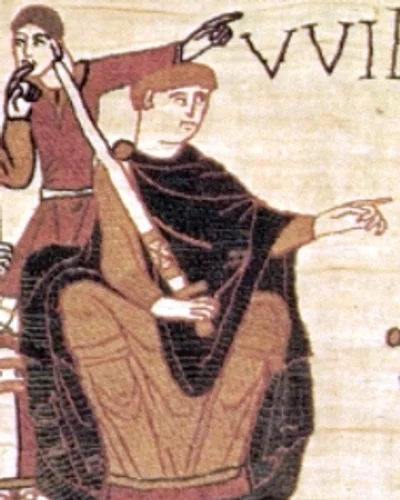
William the Conqueror
1066Defeats Saxon King Harold. Ordered the Domesday Book.
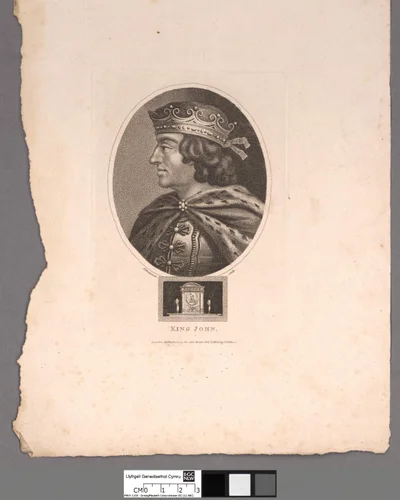
King John
1215Forced to sign the Magna Carta — the King is subject to the Law.
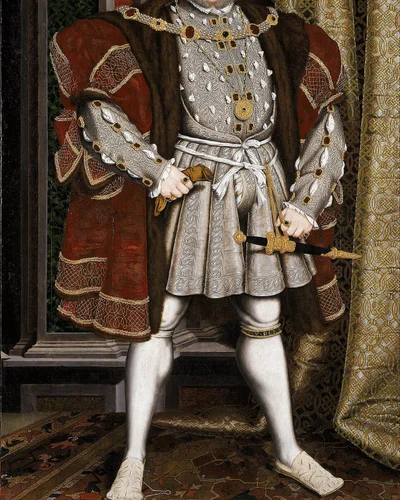
Henry VIII
Common1509–47Had 6 wives: Catherine of Aragon, Anne Boleyn, Jane Seymour, Anne of Cleves, Catherine Howard, Catherine Parr.
The test might ask: How many wives did Henry VIII have?
Henry VIII's Six Wives
Catherine of Aragon
Divorced
Anne Boleyn
Beheaded
Jane Seymour
Died
Anne of Cleves
Divorced
Catherine Howard
Beheaded
Catherine Parr
Survived
Names: CAJACC (Catherine, Anne, Jane, Anne, Catherine, Catherine)
Fates: D - B - D - D - B - S
Divorced, Beheaded, Died, Divorced, Beheaded, Survived
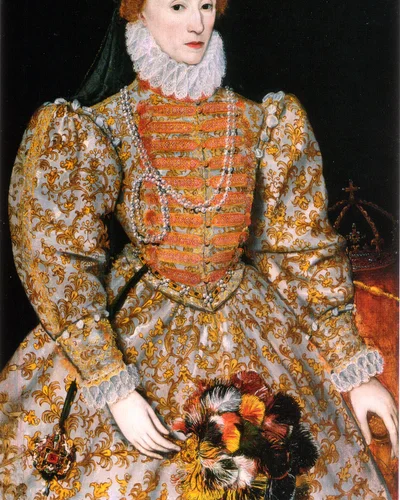
Elizabeth I
Common–1603Daughter of Anne Boleyn. Defeated the Spanish Armada. Promoted patriotism.
The test might ask: Which monarch defeated the Spanish Armada?
Sir Francis Drake
~1540–96One of the founders of England's naval tradition. Commander in the defeat of the Spanish Armada. His ship the Golden Hind was one of the first to sail around the world.
Mary Queen of Scots
1542–87Became Queen of Scotland at one week old. Catholic. Executed by Elizabeth I in 1587 after being implicated in plots against her.
St Columba
521–597Founded a monastery on the island of Iona off the coast of Scotland.
Boudicca
~AD 60Queen of the Iceni tribe. Led a rebellion against the Romans. Her statue stands on Westminster Bridge near the Houses of Parliament.
St Augustine
~AD 600Led missionaries from Rome who spread Christianity in the south of England. Became the first Archbishop of Canterbury.
St Patrick
~AD 400sPatron saint of Ireland. Missionary who spread Christianity in Ireland.
Alfred the Great
~AD 800sUnited the Anglo-Saxon kingdoms and defeated the Vikings. The only English king called 'Great'.
Cnut (Canute)
~1016–35First Danish king of England.
Kenneth MacAlpin
~AD 843United the Scottish peoples under one king. The term Scotland began to be used after his reign.
William Caxton
~1422–91The first person in England to print books using a printing press. Printed The Canterbury Tales.
Robert the Bruce
1274–1329Led the Scots to victory over the English at the Battle of Bannockburn (1314). Scotland remained unconquered.
Henry V
1386–1422Won the Battle of Agincourt (1415) during the Hundred Years War, defeating the French despite being vastly outnumbered.
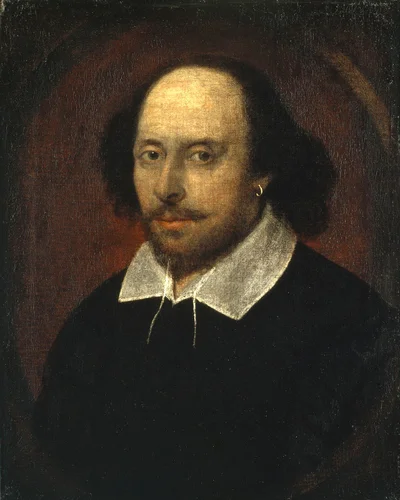
William Shakespeare
Common1564–1616Born in Stratford-upon-Avon. Playwright, actor, wrote poems and plays (sonnets = 14-line poems).
The test might ask: On which date was Shakespeare born and did he die?
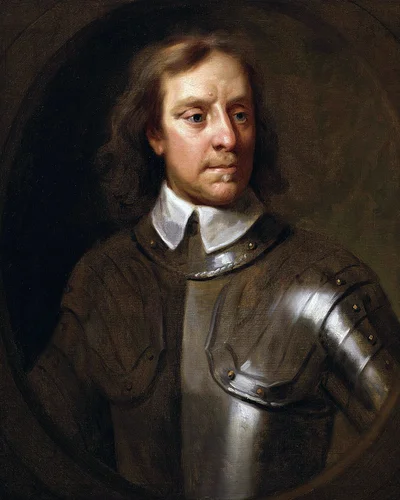
Oliver Cromwell
Common–1658Lord Protector during 11 years of Republic.
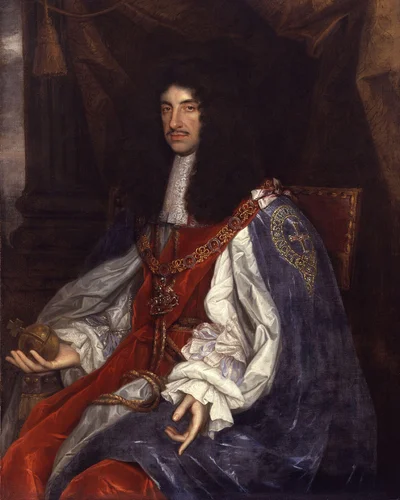
Charles II
–1685Returned to be king (The Restoration). Interested in science, formed the Royal Society.
Sir Christopher Wren
1632–1723Architect who designed the new St Paul's Cathedral after the Great Fire of London (1666).
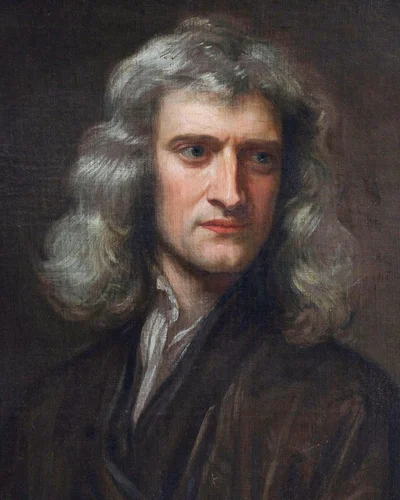
Isaac Newton
1643–1727Studied at Cambridge. Born in Lincolnshire. Wrote Philosophiae Naturalis Principia Mathematica. Showed that gravity applied to the whole universe. Discovered that white light is made up of the colours of the rainbow.
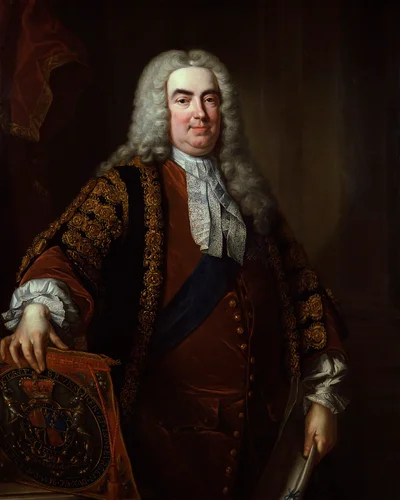
Robert Walpole
1721–42First Prime Minister, under George I.
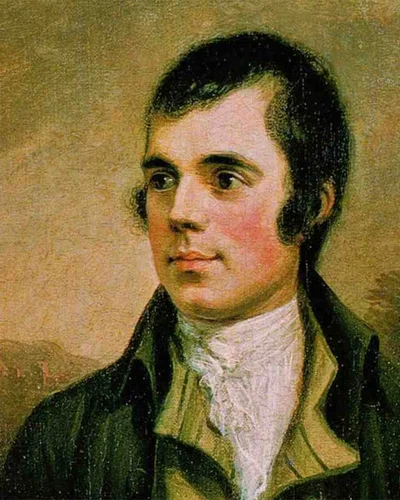
Robert Burns
1759–96Scottish poet. Wrote Auld Lang Syne (sung at New Year).
Adam Smith
1723–90Scottish economist. Wrote The Wealth of Nations (1776). Father of modern economics. Scottish Enlightenment.
David Hume
1711–76Scottish philosopher. Key figure of the Enlightenment. Known for empiricism and scepticism.
James Watt
1736–1819Scottish inventor. Improved the steam engine, powering the Industrial Revolution. The unit of power (watt) is named after him.
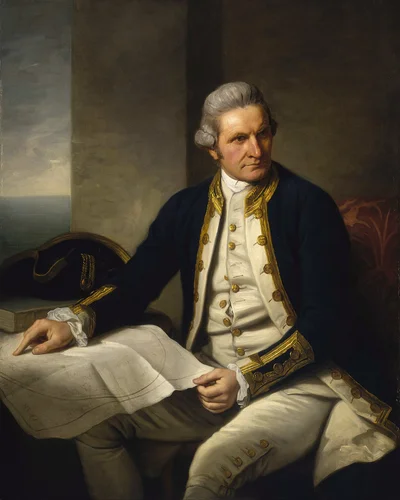
James Cook
1728–79Naval officer who mapped the coast of Australia and New Zealand.
Richard Arkwright
1732–92Improved the carding machine and developed horse-driven spinning mills. Pioneer of the factory system during the Industrial Revolution.
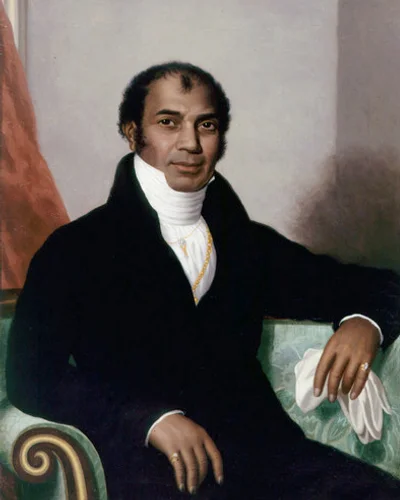
Sake Dean Mahomet
1759–1851Opened the Hindoostane Coffee House in London (1810), the first Indian restaurant in Britain, and introduced shampooing (Indian head massage).
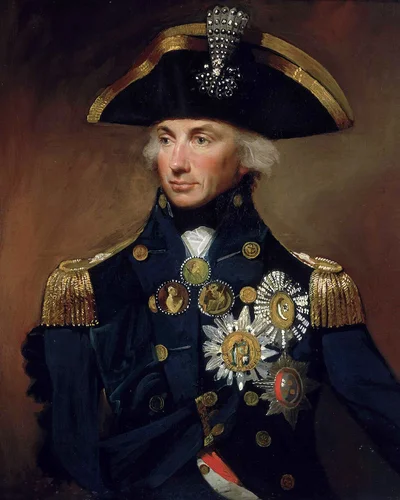
Admiral Nelson
1805Won the Battle of Trafalgar but died in it. Trafalgar Square and Nelson's Column commemorate him.
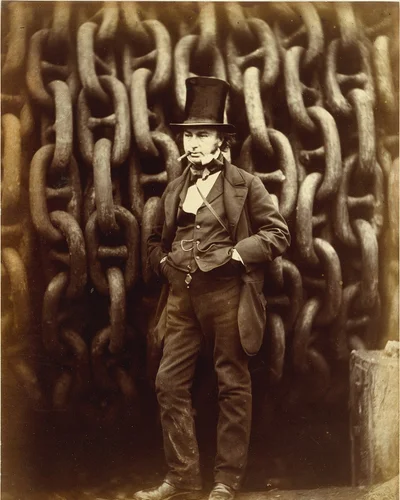
Isambard Kingdom Brunel
1806–59Engineer. Started Great Western Railway and built bridges.
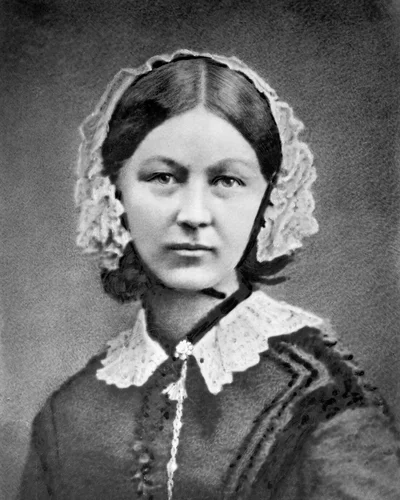
Florence Nightingale
Common1820–1910Nurse in the Crimean War. Born in Italy to English parents, trained in Germany. Went to Turkey in 1854 and greatly improved hospital conditions. Founded the Nightingale Training School at St Thomas' Hospital, London (1860) — regarded as the founder of modern nursing.
The test might ask: In which war did Florence Nightingale serve?
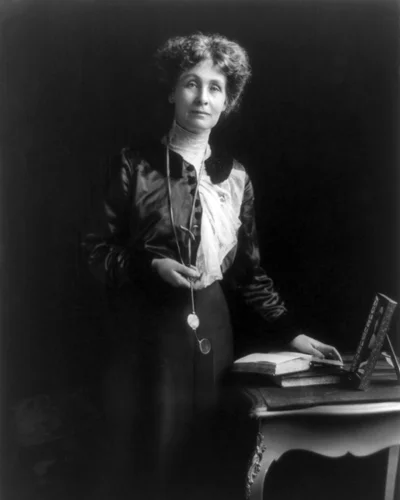
Emmeline Pankhurst
Common1858–1928Led the Suffragettes — movement for women's right to vote. Founded the Women's Franchise League (1889) and co-founded the WSPU (1903). Used civil disobedience. 1918: women 30+. 1928: women at 21.
Duke of Wellington
1769–1852Defeated Napoleon at the Battle of Waterloo (1815). Known as the 'Iron Duke'. Later became Prime Minister.
William Wilberforce
1759–1833Evangelical Christian and MP who campaigned to abolish the slave trade. 1807: illegal to trade slaves in British ships. 1833: Emancipation Act abolished slavery in the Empire.
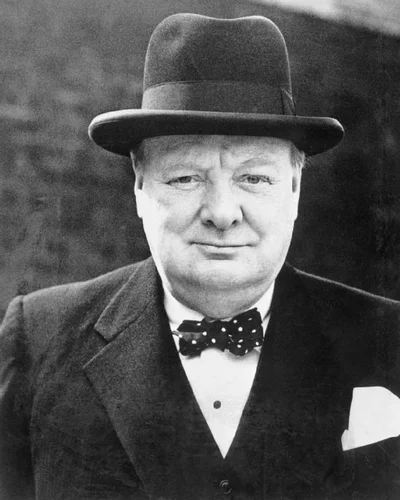
Winston Churchill
Common1874–1965Conservative PM during WW2. Famous speeches. Won Nobel Prize in Literature.
The test might ask: What prize did Winston Churchill win — Literature or Peace?
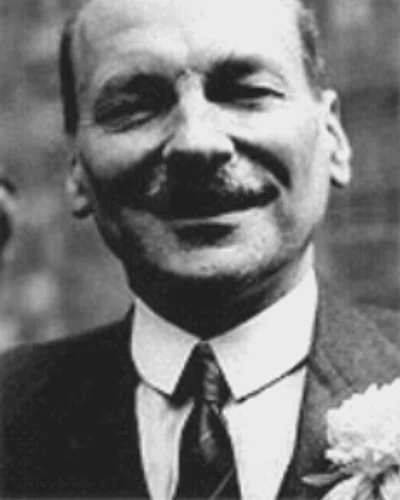
Clement Attlee
1883–1967Labour PM after WW2. Nationalisation of industries, strong welfare state.
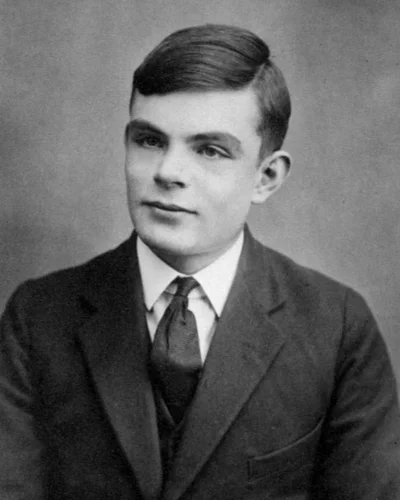
Alan Turing
1912–54Created the Turing Machine — foundation of modern computing.
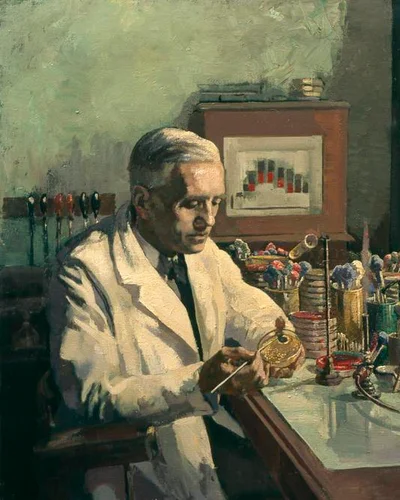
Alexander Fleming
1881–1955Discovered penicillin in 1928 while researching influenza. Born in Scotland. Nobel Prize in Medicine in 1945. Drug developed into usable form by Florey and Chain.
Ernest Rutherford
1871–1937New Zealand-born British physicist. Working at Manchester and then Cambridge, he was first to 'split the atom'. Discovered the atomic nucleus. Known as the father of nuclear physics.
Francis Crick
1916–2004With James Watson, discovered the structure of DNA in 1953 at British universities in London and Cambridge. Won the Nobel Prize for this breakthrough.
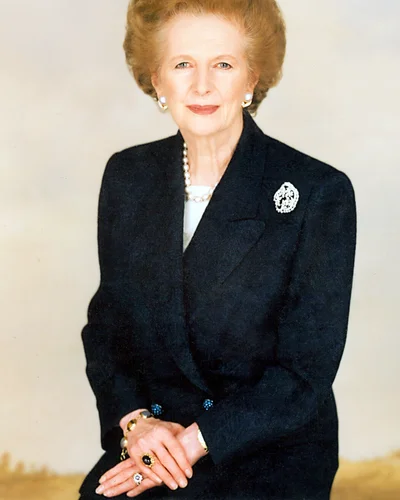
Margaret Thatcher
1925–2013Conservative MP in 1959. First woman PM in 1979. Longest-serving PM of the 20th century (until 1990). Worked with Ronald Reagan, helped end Cold War.
Sir Tim Berners-Lee
1955–Invented the World Wide Web in 1990.
George & Robert Stephenson
1781–1848Pioneered the railway engine.
John Macleod
1876–1935Scottish physician and researcher, co-discovered insulin used to treat diabetes.
Sir Christopher Cockerell
1910–99British inventor who invented the hovercraft in the 1950s.
Ian Wilmut and Keith Campbell
1996At the Roslin Institute in Edinburgh, they cloned Dolly the Sheep in 1996 — the first mammal cloned from an adult cell.
William Beveridge
1879–1963Author of the Beveridge Report (1942). Recommended fighting five 'Giant Evils': Want, Disease, Ignorance, Squalor, Idleness. Foundation of the modern welfare state.
R.A. Butler
1902–82Conservative MP who introduced the Education Act 1944 ('the Butler Act') — free secondary education in England and Wales.
Aneurin (Nye) Bevan
1897–1960Minister for Health who led the establishment of the National Health Service (NHS) in 1948.
Dame Mary Peters
1939–Born in Manchester, moved to Northern Ireland. Won Olympic gold in the pentathlon in 1972. Made a Dame in 2000. Promotes sport and tourism in Northern Ireland.
John Logie Baird
1888–1946Scotsman who developed television in the 1920s. In 1932, made the first television broadcast between London and Glasgow.
Sir Robert Watson-Watt
1892–1973Scotsman who developed radar. First successful radar test in 1935.
Sir Frank Whittle
1907–96British Royal Air Force engineer who developed the jet engine in the 1930s.
James Goodfellow
1937–Invented the cash-dispensing ATM (cashpoint). The first was put into use by Barclays Bank in Enfield, north London in 1967.
Sir Robert Edwards and Patrick Steptoe
1978Pioneered IVF (in-vitro fertilisation). The world's first 'test-tube baby' was born in Oldham, Lancashire in 1978.
Sir Peter Mansfield
1933–2017British scientist, co-inventor of the MRI scanner.