
Unit 3
Society & Culture
Culture, sport, arts and daily life in the UK
Compress the same material into quick recall: short fact blocks, heuristics, and distinctions you can revisit before practice.
Review
Condense the unit into quick recall
This is the tighter pass: fact blocks, heuristics, and visual summaries that make the material easier to retrieve under pressure.
• The National Trust was founded in 1895 by three volunteers. There are now more than 61,000 volunteers helping to keep the organisation running. It preserves important buildings, coastline, and countryside in England, Wales, and Northern Ireland (Scotland has the separate National Trust for Scotland).
• The National Lottery: draws are made every week. You can enter by buying a ticket or a scratch card. People under 18 are not allowed to participate.
• Pubs are usually open during the day from 11 am (12 noon on Sundays). You must be 18 to buy alcohol. At 16, you can drink wine or beer with a meal in a hotel or restaurant (including eating areas in pubs) if accompanied by someone over 18.
• Famous UK gardens: Kew Gardens, Sissinghurst, and Hidcote (England); Crathes Castle and Inveraray Castle (Scotland); Bodnant Garden (Wales); Mount Stewart (Northern Ireland).
• John O'Groats (north Scotland) to Land's End (south-west England): approximately 870 miles (1,400 km) — the longest distance on the UK mainland.
• Cowes on the Isle of Wight hosts the most famous sailing event in the UK.
• The Swinging Sixties: the 1960s saw a period of significant social change and growth in British fashion, cinema, and popular music, including The Beatles and The Rolling Stones.
• Punch magazine was first published in the 1840s — a famous satirical magazine. Today, Private Eye continues the tradition of satire.
• There are 15 national parks in England, Wales and Scotland.
• Mothering Sunday is the Sunday three weeks before Easter.
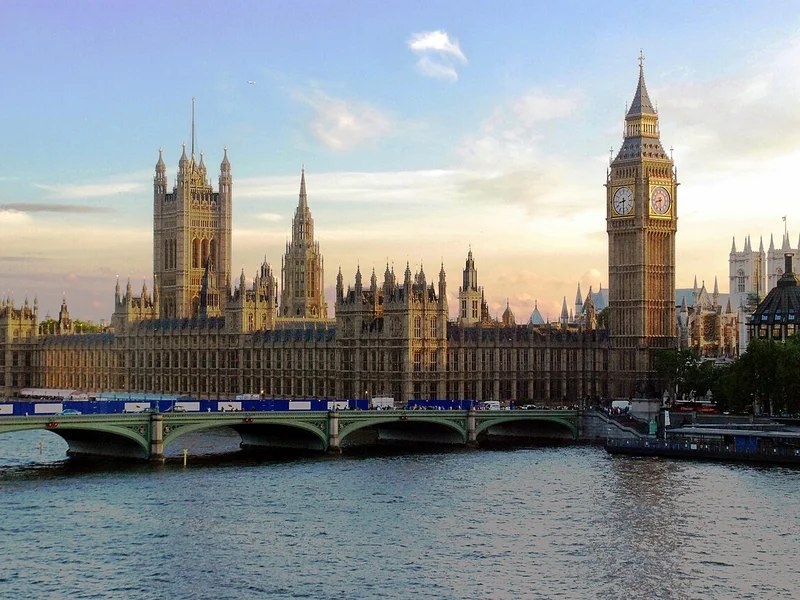
• Big Ben is the nickname for the great bell (not the tower). The clock tower is called Elizabeth Tower, named for the Diamond Jubilee in 2012.
• The Union Flag is made up of three crosses: St George (England), St Andrew (Scotland), and St Patrick (Ireland). Wales is NOT represented on the flag.
Culture & Arts CHEAT CARD
- Handel: German-born, Messiah at Easter, wrote for George I
- Turner = dramatic skies, Constable = peaceful countryside
- Dickens: Oliver Twist, workhouses. Austen: on £10 note
- Conan Doyle: SCOTTISH. Roald Dahl: WELSH
- Tolkien: LOTR voted best-loved novel (2003)
- Wren = St Paul's Cathedral (after Great Fire)
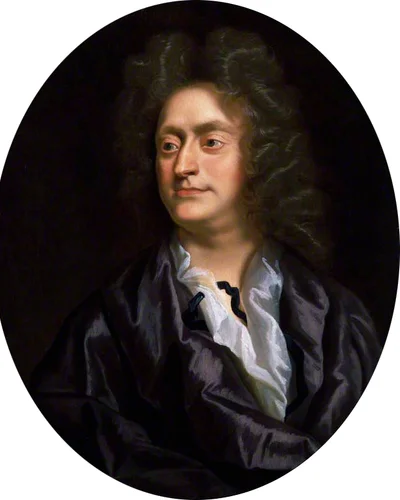
Henry Purcell
Organist at Westminster Abbey, wrote church music and operas
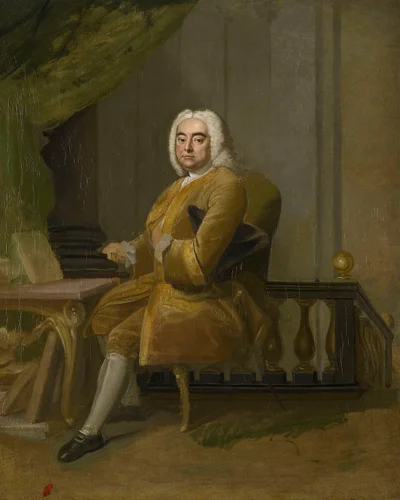
George Frederick Handel
German who became English, composed Water Music for George I and Music for the Royal Fireworks for George II, wrote the oratorio Messiah (often performed at Easter)
Gustav Holst
Composer, wrote The Planets. Adapted Jupiter as the tune for I Vow to Thee My Country, a popular hymn in British churches
Sir Edward Elgar
Pomp and Circumstance Marches, March No.1 played at the Last Night of the Proms at the Royal Albert Hall
Ralph Vaughan Williams
Wrote music for orchestras and choirs, influenced by traditional English folk music
Sir William Walton
Wrote music for George VI and Elizabeth II, best known for Facade and Belshazzar's Feast
Benjamin Britten
Operas including Peter Grimes and Billy Budd, A Young Person's Guide to the Orchestra. Founded the Aldeburgh festival in Suffolk, an event of international importance
• The Proms: an eight-week summer season of orchestral classical music at various venues including the Royal Albert Hall. BBC-organised since 1927. The Last Night of the Proms is the most famous concert, broadcast on television.
• Brit Awards: annual ceremony with categories including best British group and best British solo artist.
• Mercury Music Prize: awarded each September for the best album from the UK and Ireland.
• National Eisteddfod of Wales: annual cultural festival with music, dance, art, and original performances largely in Welsh, including competitions for Welsh poetry.
• Famous UK summer music festivals include Glastonbury, the Isle of Wight Festival, and Creamfields.
• The Beatles and The Rolling Stones continue to influence music both in Britain and abroad. The punk movement emerged in the late 1970s, and boy and girl bands became popular in the 1990s.
• Large music venues include Wembley Stadium, The O2 in Greenwich, and The SEC Centre in Glasgow.
Thomas Gainsborough
Portrait painter — people in country settings or gardens
David Allan
Scottish painter, made The Origin of Painting
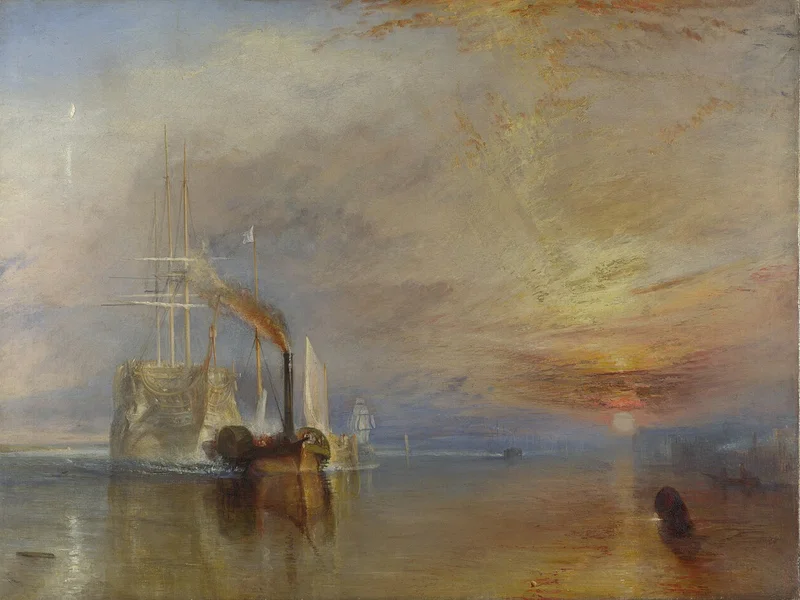
Joseph Turner
Raised the profile of landscape painting — dramatic skies and light effects
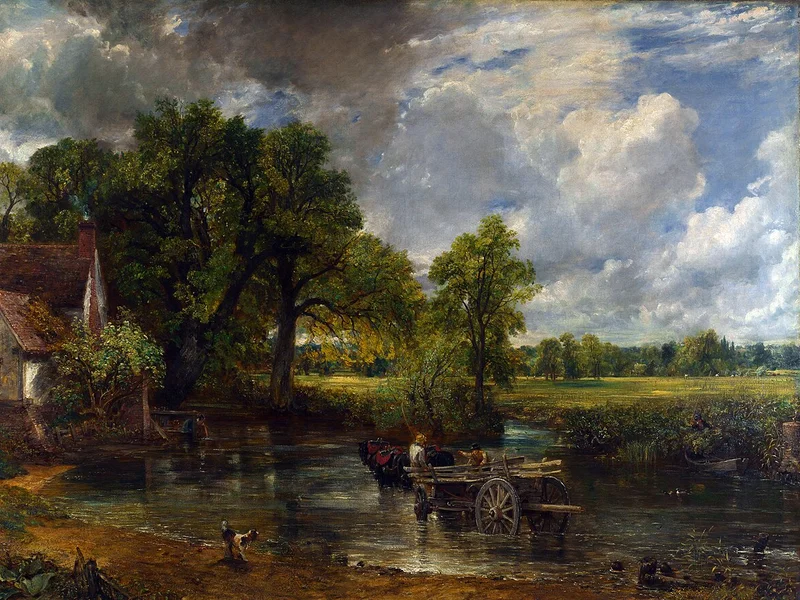
John Constable
Landscape painter, most famous for paintings of Dedham Vale on the Suffolk-Essex border
The Pre-Raphaelites
Detailed religious/literary pictures in bright colours — Holman Hunt, Dante Gabriel Rossetti, Sir John Millais
Sir John Lavery
Northern Irish portrait painter, painted the Royal Family
Henry Moore
English sculptor — large bronze abstract sculptures
John Petts
Welsh artist known for engravings and stained glass
Lucian Freud
German-born British artist, best known for portraits
David Hockney
Important contributor to the Pop Art movement of the 1960s
Inigo Jones
Designed the Banqueting House (Whitehall) and the Queen's House (Greenwich). Introduced classical architecture to England.
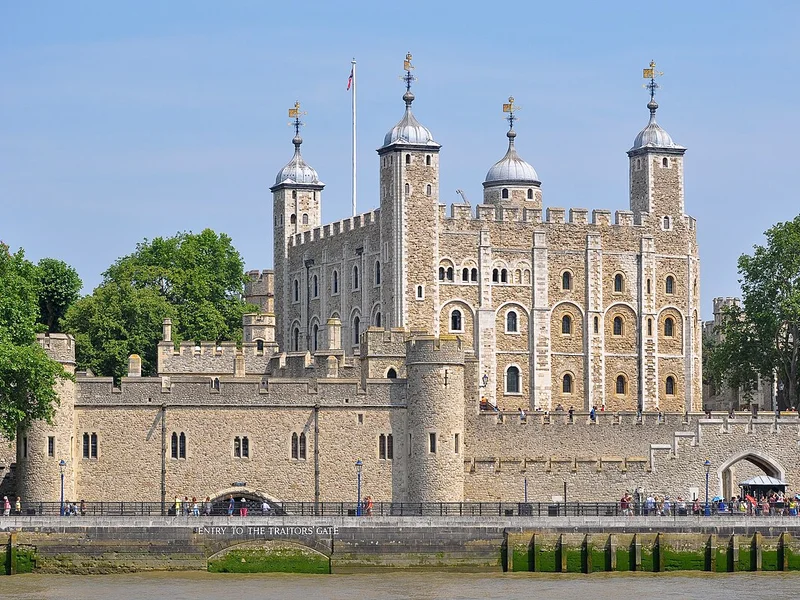
William the Conqueror
Ordered the building of the Tower of London
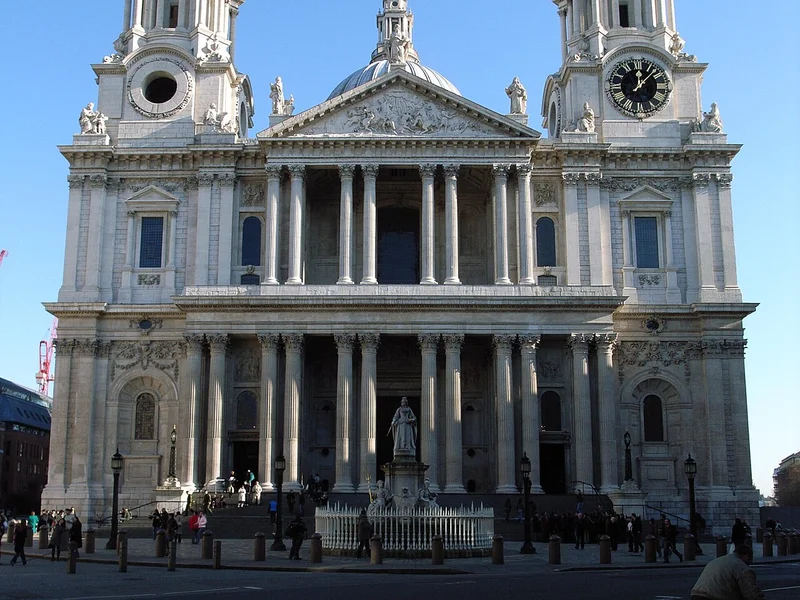
Sir Christopher Wren
Designed St Paul's Cathedral
Robert Adam
Scottish architect, Dumfries House, influenced the Royal Crescent in Bath
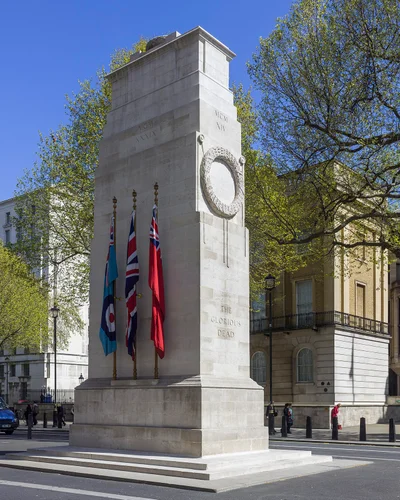
Sir Edwin Lutyens
Designed New Delhi, responsible for the Cenotaph in Whitehall
Sir Norman Foster
Modern British architect
Lord (Richard) Rogers
Modern British architect
Dame Zaha Hadid
Modern British architect
Lancelot 'Capability' Brown
Designed country house landscapes
Gertrude Jekyll
Worked with Lutyens to design colourful gardens
Thomas Chippendale
Designed furniture in the 18th century
Clarice Cliff
Designed Art Deco ceramics
Sir Terence Conran
20th century interior designer
Mary Quant
Leading fashion designer
Alexander McQueen
Leading fashion designer
Vivienne Westwood
Leading fashion designer
Pre-1800
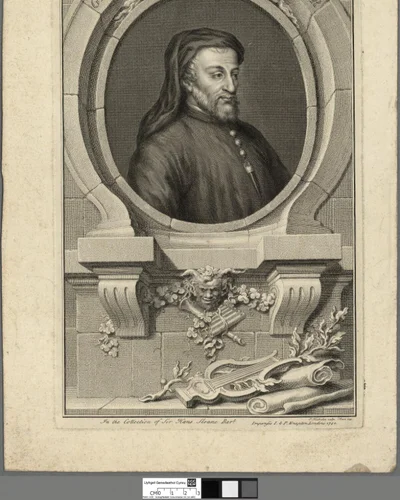
Geoffrey Chaucer
Wrote The Canterbury Tales — pilgrims travelling from London to Canterbury
William Shakespeare
Playwright, actor, wrote poems and plays (sonnets = 14-line poems). Born in Stratford-upon-Avon. Famous plays: A Midsummer Night's Dream, Hamlet, Macbeth, Romeo and Juliet. Invented many English words still used today. The Globe Theatre in London is a modern copy of the original.
John Milton
Protestant poet, Paradise Lost
Romantic & Victorian
William Wordsworth
Poet inspired by nature, wrote The Daffodils
Sir Walter Scott
Poems and novels inspired by Scotland, traditional stories and songs from the Scottish borders
Robert Browning
Home Thoughts from Abroad
Lord Byron
She Walks in Beauty
William Blake
The Tyger
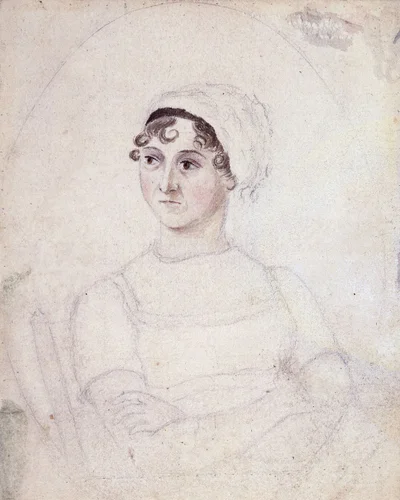
Jane Austen
Pride and Prejudice, Sense and Sensibility
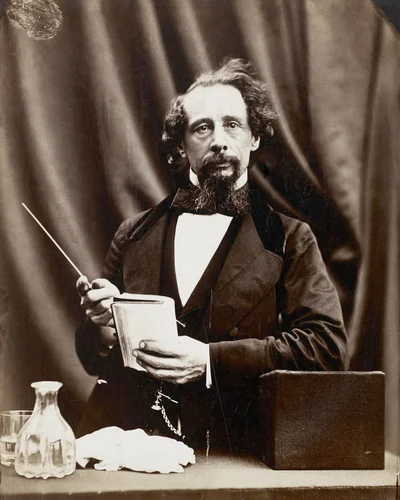
Charles Dickens
Oliver Twist, Great Expectations
Robert Louis Stevenson Scottish
Treasure Island, Kidnapped, Dr Jekyll and Mr Hyde
Thomas Hardy
Far from the Madding Crowd, Jude the Obscure
Early 20th Century
Sir Arthur Conan Doyle Scottish
Scottish doctor and writer, created Sherlock Holmes
Wilfred Owen
Anthem for Doomed Youth — WW1 war poet
Siegfried Sassoon
WW1 war poet
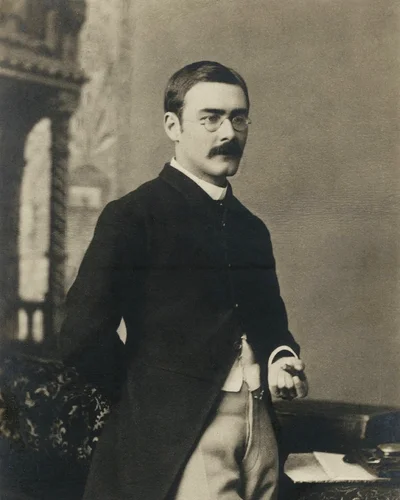
Rudyard Kipling Born in India
Born in India. Wrote The Jungle Book, Just So Stories, and the poem If (often voted UK's favourite poem). Nobel Prize in Literature 1907
Evelyn Waugh
Satirical novels: Decline and Fall, Scoop, Brideshead Revisited
Sir Kingsley Amis
English novelist and poet, Lucky Jim
Graham Greene
Novels influenced by religion: The Heart of the Matter, Brighton Rock, Our Man in Havana, The Honorary Consul
Modern
Beowulf
An Anglo-Saxon poem about a hero's battles against monsters — still translated into modern English today
Sir Gawain and the Green Knight
A Middle Ages poem about a knight at the court of King Arthur
John Keats
Romantic poet, Ode to a Nightingale
Percy Bysshe Shelley
Romantic poet, Ozymandias
Alfred Lord Tennyson
Victorian poet, The Charge of the Light Brigade
Elizabeth Barrett Browning
Victorian poet, Sonnets from the Portuguese
Robert Burns
Scottish poet, 'The Bard'. Wrote in Scots language. Best known for Auld Lang Syne, sung at New Year (Hogmanay). Burns Night is celebrated on 25 January
Sir Walter de la Mare
Poet, The Listeners
John Masefield
Poet Laureate
Sir John Betjeman
Poet Laureate
Ted Hughes
Poet Laureate
J.R.R. Tolkien
The Lord of the Rings — voted country's best-loved novel in 2003
J.K. Rowling
Harry Potter series
Sir William Golding
Novelist, Nobel Prize
Seamus Heaney
Poet, Nobel Prize
Harold Pinter
Playwright, Nobel Prize
Dame Agatha Christie
Detective stories
Ian Fleming
Created James Bond
Roald Dahl Welsh
Born in Wales from Norwegian parents. Charlie and the Chocolate Factory, George's Marvellous Medicine
Dylan Thomas Welsh
Welsh poet. Under Milk Wood, Do Not Go Gentle into That Good Night
Ian McEwan
Winner of Man Booker Prize for Fiction
Hilary Mantel
Winner of Man Booker Prize for Fiction
Julian Barnes
Winner of Man Booker Prize for Fiction
• The Man Booker Prize for Fiction has been awarded annually since 1968 for the best fiction novel by an author from the Commonwealth, Ireland, or Zimbabwe.
Colin Firth
Oscar winner
Sir Anthony Hopkins
Oscar winner
Dame Judi Dench
Oscar winner
Kate Winslet
Oscar winner
Tilda Swinton
Oscar winner
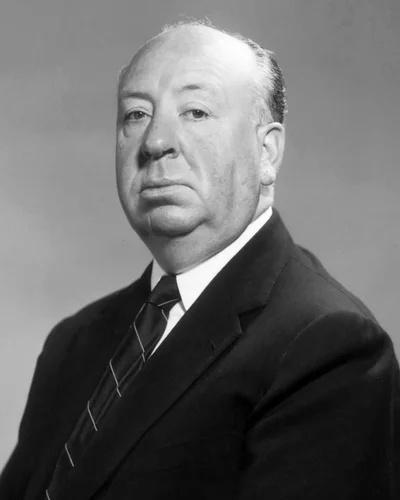
Sir Alfred Hitchcock
Famous director — The 39 Steps
David Lean
Directed Brief Encounter and Lawrence of Arabia
Carol Reed
Directed The Third Man
Other Directors
Sir Alexander Korda (Eminent director of the 1930s), Frank Launder (Directed The Belles of St Trinian's), Nicolas Roeg (Don't Look Now), Hugh Hudson (Directed Chariots of Fire), Roland Joffé (Directed The Killing Fields), Mike Newell (Directed Four Weddings and a Funeral), Kevin MacDonald (Directed Touching the Void), Nick Park (Won four Oscars for his animated films, including three for films featuring Wallace and Gromit), Charlie Chaplin (Became famous in silent movies for his 'tramp' character. One of many British actors to make a career in Hollywood.), Ridley Scott (British director who found great success both in the UK and internationally.)
British studios flourished in the 1930s. The 1950s and 1960s were a high point for British comedies, including Passport to Pimlico, The Ladykillers and the Carry On films.
Films were first shown publicly in the UK in 1896.
BAFTA (British Academy of Film and Television Arts) hosts the annual British Academy Film Awards — the British equivalent of the Oscars.
Ealing Studios has a claim to being the oldest continuously working film studio facility in the world.
Popular actors from the classic era include Sir Laurence Olivier, David Niven, Sir Rex Harrison, and Richard Burton.
The Harry Potter and James Bond film franchises are the two highest-grossing film franchises produced in the UK.
During WW2, British movies (e.g. In Which We Serve) played an important role in boosting morale.
• Pantomime: performed at Christmas, based on fairy stories, light-hearted plays with music and comedy enjoyed by family audiences. The Dame is a woman played by a man. There is often a pantomime horse or cow played by two actors in the same costume.
• Gilbert and Sullivan wrote comic operas in the 19th century, often making fun of popular culture and politics. Works include HMS Pinafore, The Pirates of Penzance, and The Mikado.
• Andrew Lloyd Webber wrote music for globally popular shows including Jesus Christ Superstar and Evita (both with Tim Rice), Cats, and The Phantom of the Opera.
• The Edinburgh Festival takes place every summer in Edinburgh, a series of different arts and cultural festivals. The biggest is the Edinburgh Festival Fringe ('the Fringe'), which often shows experimental work.
• The Laurence Olivier Awards are held annually in London with categories including best director, best actor, and best actress. Named after Sir Laurence Olivier, known for his Shakespeare roles.
• The Mousetrap by Dame Agatha Christie has been running in London's West End (also known as 'Theatreland') since 1952 — the longest initial run of any show in history.
• Some of the best-known poets are buried or commemorated in Poet's Corner in Westminster Abbey.
Sports CHEAT CARD
- Golf = Scotland. Rugby = Rugby School 1823
- FA founded 1863 (oldest in world)
- Wimbledon = oldest tennis tournament
- Bobby Moore: 1966 World Cup captain
- Grand National = Aintree, Liverpool
Athletics
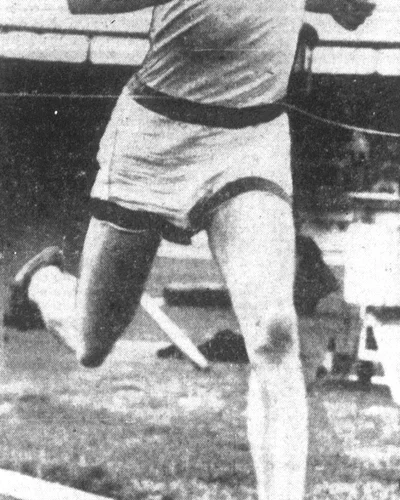
Sir Roger Bannister
First man to run a mile in under 4 minutes
Dame Kelly Holmes
Won 2 gold medals for running in 2004 Olympics
Mo Farah
Won gold in 2012 and 2016 Olympics (5,000m and 10,000m). First Briton to win Olympic 10,000m gold.
Jessica Ennis-Hill
Won 2012 Olympic gold in heptathlon (seven different track and field events) and 2016 Olympic silver. Holds a number of British athletics records
Cycling
Sir Chris Hoy
Scottish cyclist, 6 gold and 1 silver Olympic medals, 11 world championships
Sir Bradley Wiggins
First Briton to win Tour de France (2012), 8 Olympic medals including gold in 2004, 2008, 2012 and 2016
Sailing
Dame Ellen MacArthur
Yachtswoman, fastest person to sail around the world solo (2004)
Sir Francis Chichester
First person to sail single-handed around the world, passing the Cape of Good Hope (Africa) and Cape Horn (South America), in 1966/67
Sir Robin Knox-Johnston
First person to sail single-handed around the world without stopping
Motorsport
Sir Jackie Stewart
Scottish racing driver, won Formula 1 three times
Damon Hill
Won the Formula 1 World Championship
Lewis Hamilton
Won the Formula 1 World Championship
Jenson Button
Won the Formula 1 World Championship
Team Sports
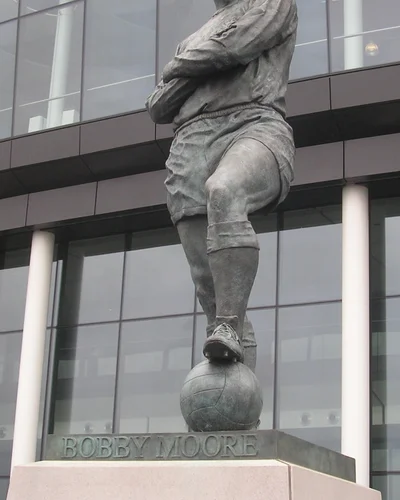
Bobby Moore
Captained England football team winning the 1966 World Cup
Sir Ian Botham
Captained the English cricket team and held a number of English Test cricket records, both for batting and for bowling
Rowing
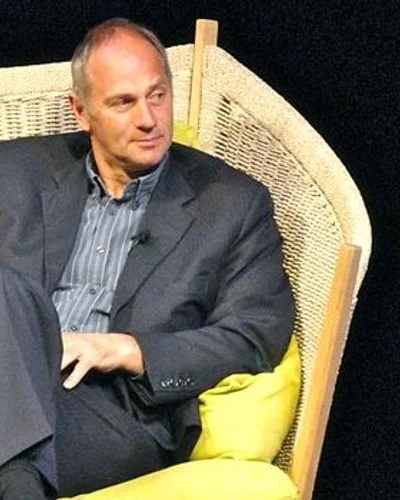
Sir Steve Redgrave
Won gold medals in rowing in 5 consecutive Olympics
Other
Jayne Torvill & Christopher Dean
Won gold medal in ice dancing at 1984 Olympics and four consecutive world championships
Baroness Tanni Grey-Thompson
Wheelchair athlete, won 16 Paralympic medals including 11 gold over five Paralympic Games, won the London Marathon six times, broke 30 world records
David Weir
Paralympian, 6 gold medals, London Marathon 6 times
Andy Murray
Scottish tennis player, won US Open 2012, Olympic gold and silver medals 2012, won Wimbledon 2013 and 2016 (first British man since 1936), Olympic gold 2016
Ellie Simmonds
Paralympian swimmer, gold medals at 2008, 2012 and 2016 Paralympic Games, youngest member at 2008
• The UK has hosted the Olympic Games on three occasions: 1908, 1948 and 2012.
• The main Olympic site for the 2012 Games was in Stratford, East London. The British team finished third in the medal table in 2012.
• The Paralympics have their origin in the work of Dr Sir Ludwig Guttman, a German refugee, at the Stoke Mandeville hospital in Buckinghamshire. He encouraged patients with spinal injuries to take part in sport.
• There are five ski centres in Scotland, as well as Europe's longest dry ski slope near Edinburgh.
• Motorsport in the UK started in 1902.
• Many sporting events take place at major stadiums such as Wembley Stadium in London and the Principality Stadium in Cardiff.
Developed in England. The Ashes is a famous series between England and Australia.
The Football Association (FA) was founded in 1863 — the oldest football association in the world.
Originated in England in the early 19th century. The Six Nations Championship is an annual competition between England, Scotland, Wales, Ireland, France, and Italy.
Originated in Scotland in the 15th century. St Andrews in Scotland is known as the home of golf. The Open Championship is the only Major tournament held outside the United States, hosted by a different golf course every year.
The first tennis club was founded in Leamington Spa in 1872. Wimbledon is the oldest tennis tournament in the world and the only Grand Slam played on grass.
Evidence of events as far back as Roman times, with a long association with royalty. The Grand National is held at Aintree, Liverpool. The Scottish Grand National is held at Ayr. Royal Ascot is a five-day race meeting in Berkshire attended by members of the Royal Family. There is a National Horseracing Museum in Newmarket, Suffolk.
The Oxford-Cambridge boat race takes place annually on the River Thames.
The Super League is the most well-known rugby league (club) competition.
Religion & the Four Nations CHEAT CARD
- 59% Christian, 25% no religion, 4.8% Muslim
- Saints: Wales 1 Mar, NI 17 Mar, Eng 23 Apr, Scot 30 Nov
- Flowers: Rose, Shamrock, Daffodil, Thistle
- Scotland: Sheriff Court, 15 jurors, vote at 16
- Vaisakhi: 14 April (Sikh). Diwali: Hindu + Sikh
- Remembrance Day: 11 Nov (poppies)
59% + 25% = 84% of the UK is either Christian or no religion
Festivals: Eid al-Fitr (end of Ramadan — date changes every year) and Eid ul Adha (remembers Ibrahim's willingness to sacrifice his son — in Britain, animals must be slaughtered in a slaughterhouse)
Celebrates Diwali (Festival of Lights) — lasts five days in October or November, celebrates the victory of good over evil and the gaining of knowledge. There is a famous celebration in Leicester
Vaisakhi festival on 14 April celebrates the founding of the Khalsa (Sikh community). Also celebrates Diwali
Hannukah: Jewish celebration in Nov/Dec, lasts 8 days. Remembers the Jews' struggle for religious freedom. A candle is lit each day on a menorah (8-candle stand) — the oil that should have lasted only a day miraculously lasted eight
• The monarch is the head of the Church of England. The spiritual leader is the Archbishop of Canterbury.
• The Church of England is a Protestant Church that has existed since the Reformation in the 1530s. It is called the Anglican Church in other countries, and the Episcopal Church in Scotland and the United States.
• Several Church of England bishops sit in the House of Lords.
• There is no established Church in Wales or Northern Ireland.
• The largest non-Protestant Christian denomination is Roman Catholic.
• Protestant Christian groups include: Baptists, Methodists, Presbyterians (Scotland), and Quakers.
• The Moderator is the chairperson of the General Assembly of the Church of Scotland, appointed for one year only. The Church of Scotland is Presbyterian, governed by ministers and elders.
• Everyone has the legal right to choose their religion, or to choose not to practise a religion.
• Places of worship include: churches (Christian), mosques (Muslim), temples (Hindu and Buddhist), synagogues (Jewish), and gurdwaras (Sikh).
• Lent begins on Ash Wednesday. Christians are marked with an ash cross on their forehead. Lent is the 40-day period before Easter — a time for reflection. Traditionally people fast; today many give something up. Shrove Tuesday (Pancake Day) is the day before Lent begins.
• Easter marks the death of Jesus on Good Friday and his rising from the dead on Easter Sunday.
• Only Scotland and Northern Ireland have their patron saint's day as an official holiday (though not all businesses close in Scotland).
• National flowers are sometimes worn on national saints' days.
59%
Christian
25%
No religion
4.8%
Muslim
1.5%
Hindu
0.8%
Sikh
<0.5%
Buddhist
How the Union Flag is built
Red cross on white
White saltire on blue
Red saltire on white
All three crosses combined
Wales is NOT represented on the Union Flag — Wales was already united with England when the flag was created.
🏴 England
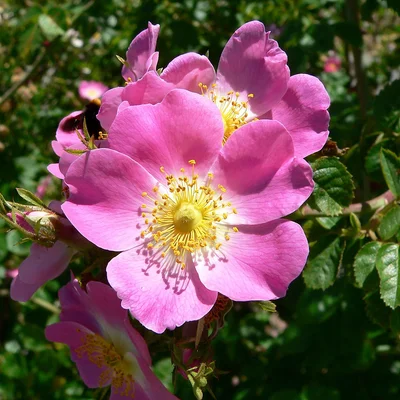
Rose
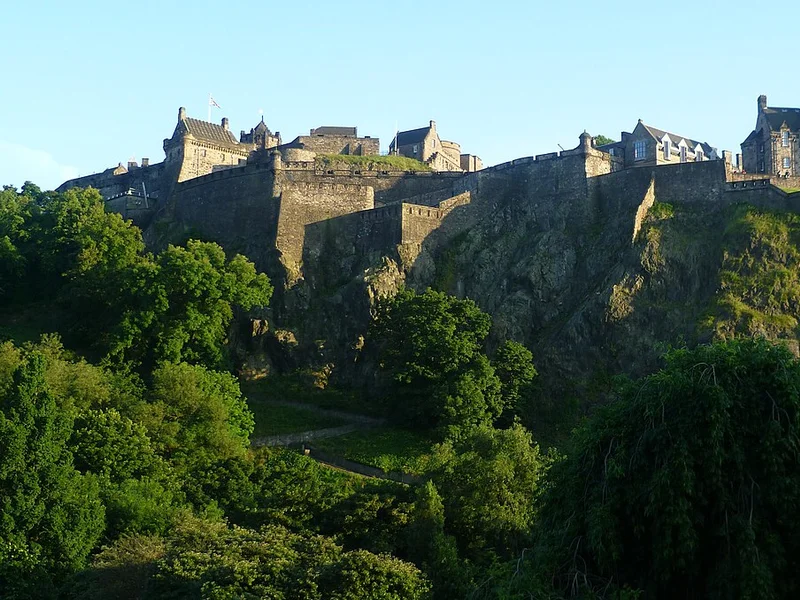
🏴 Scotland
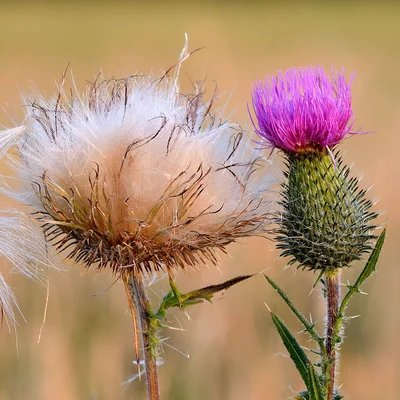
Thistle
🏴 Wales
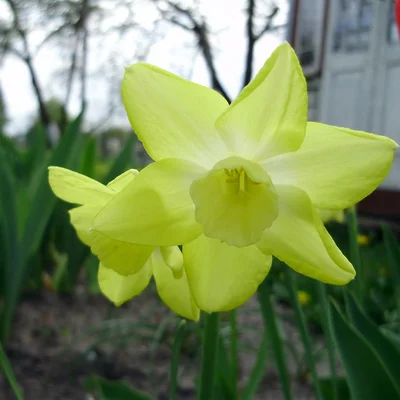
Daffodil
🇬🇧 Northern Ireland
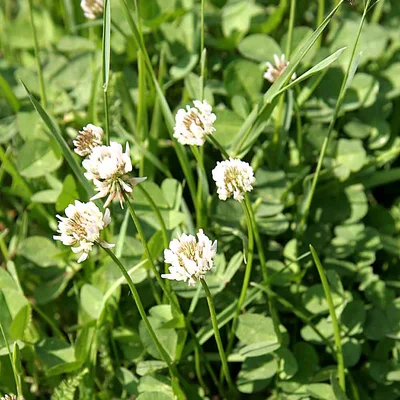
Shamrock
| Country | Pop. | Saint's Day | Patron Saint | Flower | Capital |
|---|---|---|---|---|---|
| 🏴 England | 84% | 23rd April | St George | Rose | London |
| 🏴 Scotland | 8% | 30th November | St Andrew | Thistle | Edinburgh |
| 🏴 Wales | 5% | 1st March | St David | Daffodil | Cardiff |
| 🇬🇧 Northern Ireland | <3% | 17th March | St Patrick | Shamrock | Belfast |
Traditional Foods
BH = Bank Holiday (day off work). November is packed: Bonfire, Remembrance, St Andrew’s
A bank holiday throughout the UK.
Scottish New Year celebrations — a major event in Scotland. 2 January is also a public holiday in Scotland. For some Scots, Hogmanay is a bigger holiday than Christmas.
Celebrate love and romance.
People play jokes on each other until midday.
Christian festival. Includes Good Friday and Easter Monday bank holidays.
Celebrate mothers — traditionally linked to returning to one's 'mother church'.
Celebrate fathers.
An ancient festival with roots in the pagan festival to mark the beginning of winter. People carve lanterns out of pumpkins. Children go trick-or-treating.
Bonfires and fireworks. In 1605, a group of Catholics led by Guy Fawkes failed in their plan to kill the Protestant king with a bomb in the Houses of Parliament.
Honour those who died in war — originally the dead of WW1, which ended on 11 November 1918. People wear red poppies. At 11am there is a two-minute silence and wreaths are laid at the Cenotaph in Whitehall, London.
Christian celebration of the birth of Jesus. Bank holiday. Exchange gifts, eat together.
Bank holiday. Traditionally a day for giving to the less fortunate.
Other bank holidays fall at the beginning of May, late May or early June, and in August. In Northern Ireland, the anniversary of the Battle of the Boyne in July is also a public holiday.