
Confirm the format
- 24 multiple-choice questions in 45 minutes.
- 18 correct answers is the pass line.
- Book and manage the test through GOV.UK.
Final pass
Use this page when the test is close: confirm the format, repair missed questions, scan high-yield facts, and avoid the confusions that cost marks.
24
questions
45 min
time limit
18/24
pass line (75%)
£50
official booking fee
Before you leave
Scan order
High-yield facts
These are not a replacement for the topics. They are the final compact check for facts that often decide close scores.
650
MPs
1066
Norman Conquest
1215
Magna Carta
1689
Bill of Rights
1948
NHS
1998
Good Friday Agreement
84/8/5/3
Population shares
History
Every king and queen the handbook names, grouped by royal house, including the eleven years with no monarch.
Kings and queens since 1066
Grouped by royal house. A gold date such as1066is one of the most tested.
Only the kings the handbook names, not every reign.
William I, the Conqueror
Key date 1066Hastings; the Domesday Book
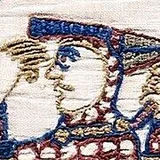
John
Agreed to Magna Carta, 1215
Edward I
Statute of Rhuddlan annexed Wales
Henry V
Won at Agincourt, 1415
Richard III
York; killed at Bosworth Field
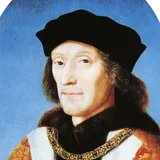
Henry VII
Key date 1485Won at Bosworth; first Tudor
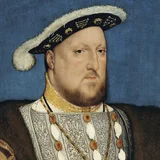
Henry VIII
Six wives; Church of England
Edward VI
Protestant; Book of Common Prayer; died at 15
Mary I, ‘Bloody Mary’
Catholic; persecuted Protestants
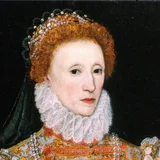
Elizabeth I
Protestant; Armada defeated, 1588
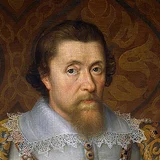
James I (James VI of Scotland)
Key date 1603Crowns united; King James Bible
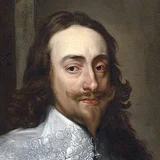
Charles I
Key date 1649Executed after the Civil War
No monarch: the Commonwealth
Cromwell, Lord Protector to 1658
Charles II
The Restoration; Great Fire, 1666
James II
Catholic; fled to France, 1688
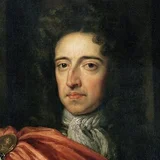
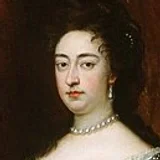
William III and Mary II
Key date 1688/89Glorious Revolution; Bill of Rights. Mary died in 1694
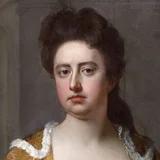
Anne
Key date 1707Act of Union: Great Britain
George I
Walpole: the first Prime Minister
George II
His army won at Culloden, 1746
George III, George IV, William IV
Not named in the handbook
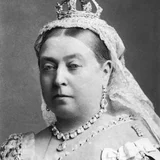
Victoria
Key date 1837Reigned almost 64 years
Edward VII, George V, Edward VIII
Not named in the handbook
George VI
King in the Second World War
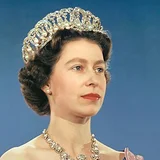
Elizabeth II
Key date 1952Longest reign: 70 years
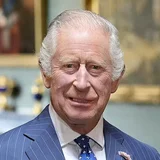
Charles III
Key date 2022The current monarch
Confusables
Use this section when you are already close to passing: it is for facts that look similar under test pressure.
Jury (England/Wales/NI)
12
Jury (Scotland)
15
Scotland does everything bigger — 15 jurors, 129 MSPs
Henry VII (7th)
Started Tudors
Won Battle of Bosworth 1485
Henry VIII (8th)
Broke with Rome
6 wives, Church of England
7 = STARTED it. 8 = BROKE it.
1918
Women vote at 30
1928
Women vote at 21
10 years to equality. Age goes DOWN, year goes UP.
Head of State
The Monarch
Head of Government
The PM
State = Sovereign (both start with S). Government = PM who Governs.
House of Commons
Elected MPs
One MP for each constituency
House of Lords
Not elected
Peers are appointed, not voted in
Only the Commons is chosen by voters. The Lords examines and checks new laws.
Magna Carta
1215
King John forced to sign — King subject to the law
Bill of Rights
1689
William III — constitutional monarchy begins
Both limit royal power, 474 years apart. Magna Carta = medieval (King John). Bill of Rights = Glorious Revolution (William of Orange).
NHS
Nye Bevan, 1948
Created the National Health Service — free healthcare for all
Welfare State
Beveridge Report, 1942
Laid the foundation for social security and welfare
Beveridge PLANNED it (1942 report), Bevan BUILT the NHS (1948). Plan first, build later. B-B: Beveridge Before Bevan.
1805 — Nelson
Battle of Trafalgar
1815 — Wellington
Battle of Waterloo
T before W (alphabetical). Nelson dies at Trafalgar, Wellington wins at Waterloo.
Turner
Dramatic skies
The Fighting Temeraire
Constable
Peaceful countryside
The Hay Wain
Turner TURNED up the drama. Constable was CONSTANT and calm.
Lancaster
Red rose
York
White rose
Lancaster = red rose. York = white rose. Henry VII combines them into the Tudor rose.
1665
The Plague
1666
Great Fire
Five-sick, six-fix. Plague then Fire, one year apart.
Alexander Fleming
Penicillin (medicine)
Ian Fleming
James Bond (fiction)
Alexander = real science. Ian = fiction. Same surname, completely different.
Chichester
Sailed around, stopped
Knox-Johnston
Sailed around, non-stop
Knox-Johnston KNOCKED it out non-stop.
Scottish Parliament
129 MSPs
Holyrood, Edinburgh — the largest devolved body
NI Assembly
90 MLAs
Stormont, Belfast — created by the Good Friday Agreement
Scotland's is the bigger body: 129 MSPs against 90 MLAs.
If the latest mock is under 18/24, practise your missed questions first. If mocks are passing, keep review light and repeat one full test.