
In this topic
What to be able to answer
- Know why the British constitution is described as unwritten.
- Recognise the main constitutional institutions.
- Separate the monarch's ceremonial role from government policy decisions.
- Recall King Charles III, Queen Camilla, Prince William, the anthem's first line, and the citizenship oath.
Learn
An unwritten constitution and the role of the Crown
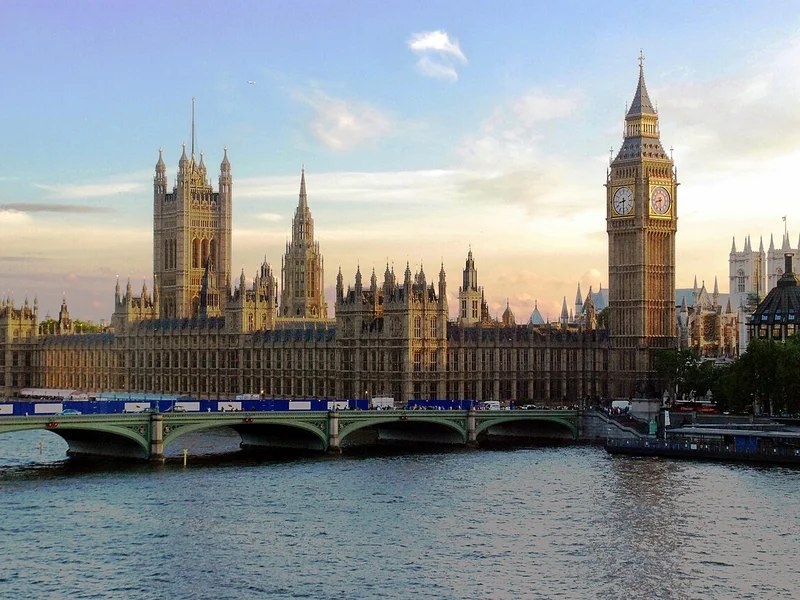
A constitution is a set of principles by which a country is governed. It includes all of the institutions that are responsible for running the country and how their power is kept in check. The constitution also includes laws and conventions.
The British constitution is not written down in any single document, and therefore it is described as ‘unwritten’. This is mainly because the UK, unlike America or France, has never had a revolution which led permanently to a totally new system of government. Our most important institutions have developed over hundreds of years. Some people believe there should be a single document, but others believe an unwritten constitution allows for more flexibility and better government.
The main constitutional institutions
The eight main institutions
The monarchy
Parliament (the House of Commons and the House of Lords)
The Prime Minister
The cabinet
The judiciary (courts)
The police
The civil service
Local government
In addition
Devolved governments in Scotland, Wales and Northern Ireland have the power to legislate on certain issues.
Not on the list
The armed forces
The European Council
Monarch and Prime Minister
The monarch is head of state and reigns; the Prime Minister and cabinet govern.
Head of state
The monarch
- Constitutional monarchy: King Charles III is head of state of the UK and of many Commonwealth countries, but the monarch does not rule the country.
- Appoints the government the people have chosen: the leader of the party with the most MPs, or of a coalition, is invited to become Prime Minister.
- Advise, warn and encourage: meets the Prime Minister regularly but does not decide government policy.
- Opens Parliament each new session with the King's Speech, which summarises the government's policies for the year ahead. All Acts of Parliament are made in his name.
- Represents the UK: receives foreign ambassadors and high commissioners, entertains visiting heads of state and makes state visits overseas.
- Stability and continuity: governments and Prime Ministers change, but the King continues as head of state and a focus for national identity and pride.
The government
Prime Minister and cabinet
- Leads the government: the Prime Minister leads the party in power, or a coalition.
- Makes policy: the Prime Minister and cabinet decide government policies.
- Chooses the cabinet: the Prime Minister appoints its members.
The King has reigned since his mother's death in September 2022. He is married to Queen Camilla. His eldest son, Prince William (the Prince of Wales), is the heir to the throne.
The National Anthem of the UK is ‘God Save the King’. It is played at important national occasions and at events attended by the King or the Royal Family.
New citizens swear or affirm loyalty to the King as part of the citizenship ceremony. The oath of allegiance pledges faithfulness and true allegiance to His Majesty King Charles the Third, his Heirs and Successors, according to law.
Read the full explanation (2 min)Optional: the facts above, told in order as one read.
A constitution is a set of principles by which a country is governed. It includes all of the institutions that are responsible for running the country and how their power is kept in check. The constitution also includes laws and conventions.
The British constitution is not written down in any single document, and therefore it is described as ‘unwritten’. This is mainly because the UK, unlike America or France, has never had a revolution which led permanently to a totally new system of government. Our most important institutions have developed over hundreds of years. Some people believe there should be a single document, but others believe an unwritten constitution allows for more flexibility and better government.
In the UK, there are several different parts of government. The main constitutional institutions are: the monarchy; Parliament (the House of Commons and the House of Lords); the Prime Minister; the cabinet; the judiciary (courts); the police; the civil service; and local government. In addition, there are devolved governments in Scotland, Wales and Northern Ireland that have the power to legislate on certain issues.
King Charles III is the head of state of the UK. He is also the monarch or head of state for many countries in the Commonwealth. The UK has a constitutional monarchy. This means that the king or queen does not rule the country but appoints the government, which the people have chosen in a democratic election. The monarch invites the leader of the party with the largest number of MPs, or the leader of a coalition, to become the Prime Minister.
The monarch has regular meetings with the Prime Minister and can advise, warn and encourage, but the decisions on government policies are made by the Prime Minister and cabinet.
The King has reigned since his mother’s death in September 2022. He is married to Queen Camilla. His eldest son, Prince William (the Prince of Wales), is the heir to the throne.
The King has important ceremonial roles, such as the opening of the new parliamentary session each year. On this occasion the King makes a speech which summarises the government’s policies for the year ahead. All Acts of Parliament are made in his name. The King represents the UK to the rest of the world, receiving foreign ambassadors and high commissioners, entertaining visiting heads of state, and making state visits overseas. He provides stability and continuity: while governments and Prime Ministers change, the King continues as head of state and a focus for national identity and pride.
The National Anthem of the UK is ‘God Save the King’. It is played at important national occasions and at events attended by the King or the Royal Family.
New citizens swear or affirm loyalty to the King as part of the citizenship ceremony. The oath of allegiance pledges faithfulness and true allegiance to His Majesty King Charles the Third, his Heirs and Successors, according to law.
Do not mix up
Practise
Check this topic
Preparing three random questions from this topic.