
In this topic
What to be able to answer
- Know the documents and laws behind modern rights, and what the Bill of Rights did not do.
- Recognise key European Convention principles and the Human Rights Act 1998.
- Name the protected characteristics and where to get help with discrimination or domestic violence.
- Separate FGM, arranged marriage, forced marriage and Forced Marriage Protection Orders.
Learn
Human rights, equal opportunities and the law
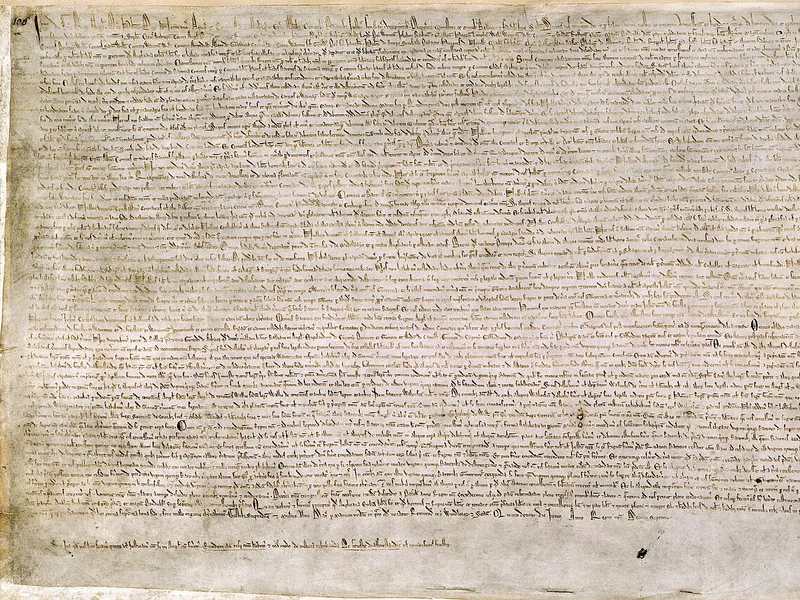
Britain has a long history of respecting an individual's rights and ensuring essential freedoms. These rights have their roots in Magna Carta, the Habeas Corpus Act and the Bill of Rights of 1689, and they have developed over a period of time. The Bill of Rights limited the power of the monarch, but it did not give ordinary people the vote: even around 1800, only men over 21 who owned property could vote. British diplomats and lawyers had an important role in drafting the European Convention on Human Rights and Fundamental Freedoms. The UK was one of the first countries to sign the Convention in 1950.
Some of the principles included in the European Convention on Human Rights are: the right to life; prohibition of torture; prohibition of slavery and forced labour; the right to liberty and security; the right to a fair trial; freedom of thought, conscience and religion; and freedom of expression (speech).
The Human Rights Act 1998 incorporated the European Convention on Human Rights into UK law. The government, public bodies and the courts must follow the principles of the Convention.
Protected from unfair treatment
UK laws make sure no one is treated unfairly in any area of life or work because of their:
Facing discrimination? Get information from Citizens Advice or the Equality and Human Rights Commission. In Northern Ireland, contact the Equality Commission for Northern Ireland.
The Equality Act 2010 also protects gender reassignment.
In the UK, brutality and violence in the home is a serious crime. Anyone who is violent towards their partner — whether they are a man or a woman, married or living together — can be prosecuted. Any man who forces a woman to have sex, including a woman's husband, can be charged with rape. Anyone facing domestic violence should get help as soon as possible: a solicitor or Citizens Advice can explain the options, and in some areas there are safe places to go and stay, called refuges or shelters. The 24-hour National Domestic Violence Freephone Helpline (0808 2000 247) is available at any time. In an emergency, always call the police, who can also help you find a safe place to stay.
Female genital mutilation (FGM), also known as cutting or female circumcision, is illegal in the UK. Practising FGM or taking a girl or woman abroad for FGM is a criminal offence.
A marriage should be entered into with the full and free consent of both people involved. Arranged marriages, where both parties agree, are acceptable in the UK. Forced marriage, where one or both parties do not or cannot give their consent, is a criminal offence. Forced Marriage Protection Orders were introduced in 2008 for England, Wales and Northern Ireland under the Forced Marriage (Civil Protection) Act 2007. These court orders protect a person from being forced into a marriage, or protect someone already in a forced marriage. A potential victim, or someone acting for them, can apply for an order, and anyone who breaks one can be jailed for up to two years. Similar Protection Orders were introduced in Scotland in November 2011.
Do not mix up
Practise
Check this topic
Preparing three random questions from this topic.