
In this topic
What to be able to answer
- Know the 1660 Restoration and the dates of the Great Plague (1665) and Great Fire (1666).
- Explain habeas corpus and recognise the Royal Society, Halley and Newton.
- Follow James II, William of Orange, the Glorious Revolution, the Bill of Rights and the Boyne in order.
Learn
Plague, fire, science and the triumph of Parliament
Restoration to the Bill of Rights
The monarchy returns, science flourishes, and the Glorious Revolution fixes Parliament's power in law.
Charles II, 1660–1685
 1660
The Restoration
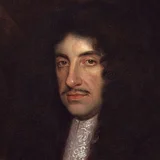
Parliament invited Charles II back from exile in the Netherlands and crowned him king of England, Wales, Scotland and Ireland. He had 'no wish to go on his travels again'. The Church of England was re-established; Roman Catholics and Puritans were kept out of power.
- 1665
The Great Plague
A major outbreak of plague killed thousands of people in London, especially in poorer areas.
 1666
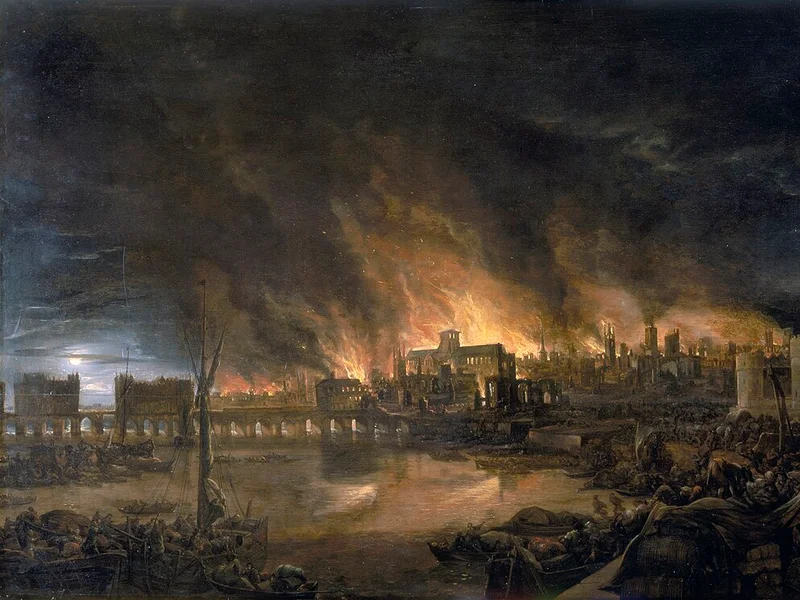
The Great Fire of London
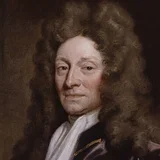
Fire destroyed much of the city, including many churches and St Paul's Cathedral. Sir Christopher Wren designed the new St Paul's. Samuel Pepys described these events in his diary.
- 1679
Habeas Corpus Act
Habeas corpus is Latin for 'you must present the person in court'. No one can be held prisoner unlawfully: every prisoner has a right to a court hearing.
- Charles II's reign
The Royal Society
Formed to promote 'natural knowledge', it is the oldest surviving scientific society in the world. Early members included Edmund Halley, who predicted the return of Halley's Comet, and Isaac Newton.
 1643–1727
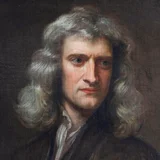
Isaac Newton
Born in Lincolnshire, he studied at Cambridge. His Principia Mathematica ('Mathematical Principles of Natural Philosophy') showed that gravity applies to the whole universe. He also discovered that white light is made up of the colours of the rainbow.
James II and the Glorious Revolution, 1685–1690
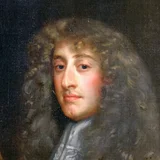 1685
A Catholic king
Charles II had no legitimate children, so his brother James, a Roman Catholic, became James II. He let Catholics be army officers, ignored Parliament and arrested Church of England bishops.
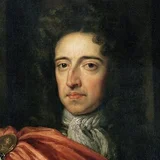 1688
The Glorious Revolution
Leading Protestants invited William of Orange, the Protestant ruler of the Netherlands and husband of James's daughter Mary, to invade. James fled to France and William III ruled jointly with Mary II. It was 'glorious' because there was no fighting in England and it guaranteed the power of Parliament.
- 1689
The Bill of Rights
Confirmed the rights of Parliament and the limits of the king's power: no taxes or justice without Parliament's agreement, the monarch must be a Protestant, and a new Parliament at least every three years (later seven, now five). The laws after the Glorious Revolution began constitutional monarchy.
- 1690
The Battle of the Boyne
James invaded Ireland with a French army. William defeated him at the Boyne, which some people in Northern Ireland still celebrate, and James fled back to France.
- Scotland
Killiecrankie, Glencoe and the Jacobites
A rebellion for James was quickly defeated at Killiecrankie. The MacDonalds of Glencoe were late to swear an oath accepting William and were all killed. James's supporters became known as Jacobites.
Read the full story (3 min)Optional: the facts above, told in order as one read.
In May 1660, Parliament invited Charles II to come back from exile in the Netherlands. He was crowned King Charles II of England, Wales, Scotland and Ireland and made it clear he had ‘no wish to go on his travels again’. The Church of England was re-established as the official Church, and both Roman Catholics and Puritans were kept out of power.
During Charles II’s reign, in 1665, there was a major outbreak of plague in London. Thousands of people died, especially in poorer areas. The following year, 1666, a great fire destroyed much of the city, including many churches and St Paul’s Cathedral. London was rebuilt with a new St Paul’s designed by the famous architect Sir Christopher Wren. Samuel Pepys wrote about these events in a diary that is still read today.
The Habeas Corpus Act became law in 1679. This guaranteed that no one could be held prisoner unlawfully — every prisoner has a right to a court hearing. Habeas corpus is Latin for ‘you must present the person in court’. This remains an important piece of legislation today.
Charles II was interested in science. During his reign, the Royal Society was formed to promote ‘natural knowledge’. This is the oldest surviving scientific society in the world. Among its early members were Sir Edmund Halley, who successfully predicted the return of the comet now called Halley’s Comet, and Sir Isaac Newton.
Isaac Newton (1643–1727) was born in Lincolnshire and studied at Cambridge University. His most famous work, Philosophiae Naturalis Principia Mathematica (‘Mathematical Principles of Natural Philosophy’), showed how gravity applied to the whole universe. Newton also discovered that white light is made up of the colours of the rainbow.
Charles II had no legitimate children. When he died in 1685, his brother James became king: James II in England, Wales and Ireland and James VII of Scotland. James II was a Roman Catholic. He favoured Catholics and allowed them to be army officers, which Parliament had forbidden. He did not seek agreements with Parliament and arrested some bishops of the Church of England.
In 1688, important Protestants in England invited William of Orange, the Protestant ruler of the Netherlands and husband of James II’s daughter Mary, to invade England. When William reached England, there was no resistance. James II fled to France. William took over the throne as William III (William II of Scotland) and ruled jointly with Mary. This event was called the ‘Glorious Revolution’ because there was no fighting in England and it guaranteed the power of Parliament.
The next year, the Bill of Rights of 1689 confirmed the rights of Parliament and the limits of the king’s power. The king could no longer raise taxes or administer justice without Parliament’s agreement. It declared that the monarch must be a Protestant. A new Parliament had to be elected at least every three years (later this became seven years, and it is now five years). The laws passed after the Glorious Revolution are the beginning of what is called ‘constitutional monarchy’.
James II wanted to regain the throne and invaded Ireland with the help of a French army. William defeated James at the Battle of the Boyne in Ireland in 1690 — an event still celebrated by some in Northern Ireland today. James fled back to France.
In Scotland, an armed rebellion in support of James was defeated at Killiecrankie. All Scottish clans had to formally accept William by taking an oath. The MacDonalds of Glencoe were late in taking the oath and were all killed in the Glencoe massacre. This meant some Scots distrusted the new government.
Those who continued to believe James was the rightful king became known as Jacobites. Some joined him in exile in France; others were secret supporters.
Do not mix up
Practise
Check this topic
Preparing three random questions from this topic.