
In this topic
What to be able to answer
- Know Victoria's reign dates and the scale of the Empire.
- Match the Stephensons, Brunel, Nightingale, Pankhurst and Kipling to their achievements.
- Recall the migration, Corn Laws, working-hours and Irish famine facts.
- Follow the road to the vote from the 1832 Reform Act to the suffragettes and 1928.
Learn
Empire, industry, reform and the fight for the vote
Victorian Britain by theme
A long reign, the largest empire in history, new engineering, war and famine.
Queen and Empire
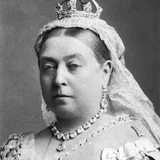 Victoria became queen in 1837, aged 18, and reigned until 1901: almost 64 years. The middle classes grew increasingly important.
- The British Empire grew to cover all of India, Australia and large parts of Africa: the largest empire the world has ever seen, with more than 400 million people.
Migration
- 1853–1913: as many as 13 million British citizens left to settle overseas.
- 1870–1914: around 120,000 Russian and Polish Jews came to escape persecution, settling in London's East End, Manchester and Leeds.
Trade and work
- Free trade: taxes on many imported goods were abolished. The Corn Laws, which had stopped the import of cheap grain, were repealed in 1846.
- 1847: the hours that women and children could work were limited by law to 10 a day.
- Britain produced more than half of the world's iron, coal and cotton cloth.
Engineering and the Great Exhibition
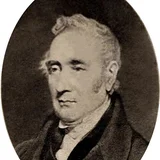 Father and son George and Robert Stephenson pioneered the railway engine, and railways spread across Britain and the Empire.
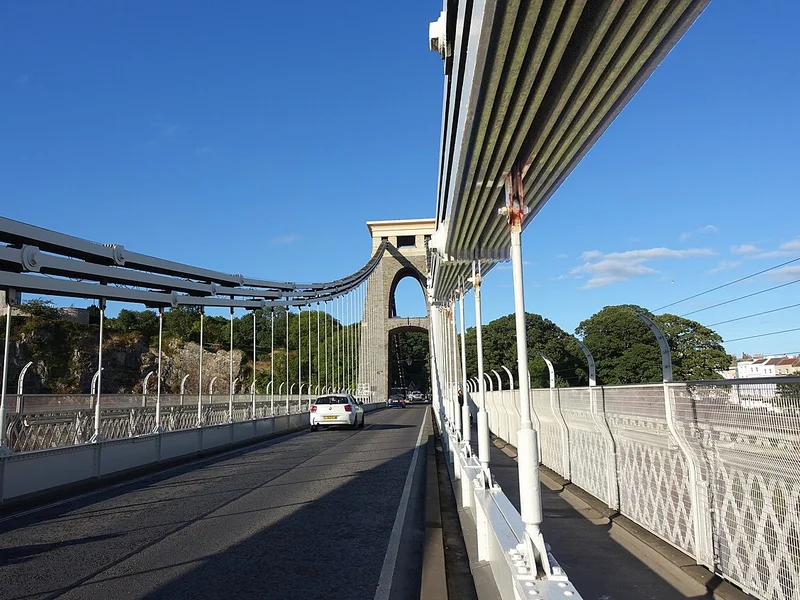
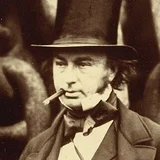 Isambard Kingdom Brunel (1806–59), an engineer from Portsmouth, built the Great Western Railway, the first major railway in Britain, and designed the Clifton Suspension Bridge over the Avon Gorge.
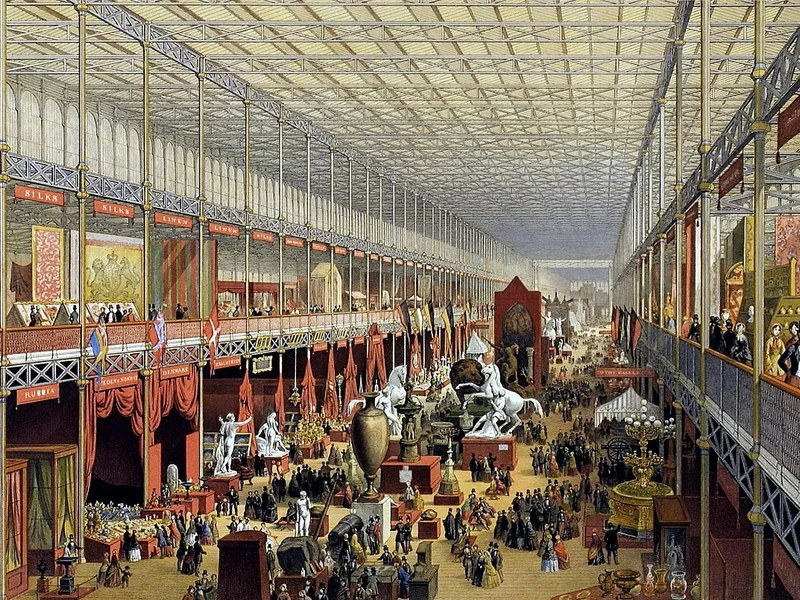
- 1851: the Great Exhibition opened in Hyde Park in the Crystal Palace, a huge steel-and-glass building. Most of the objects were made in Britain.
The Crimean War, 1853–56
- Britain fought alongside France and Turkey against Russia.
- It was the first war to be covered extensively by the media, through news stories and photographs.
- Queen Victoria introduced the Victoria Cross during this war, to honour acts of valour.
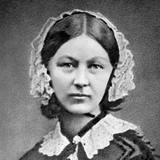 Florence Nightingale (1820–1910), a nurse born in Italy to English parents, improved military hospitals in Turkey from 1854 and cut the death rate. In 1860 she founded the Nightingale Training School at St Thomas' Hospital, London. She is regarded as the founder of modern nursing.
Ireland
- Conditions were worse than in the rest of the UK. In the mid-19th century the potato crop failed: 1 million people died and 1.5 million emigrated, to the USA or England.
- By 1861 there were large Irish communities in Liverpool, London, Manchester and Glasgow.
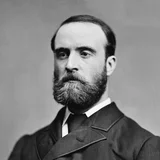 Nationalists disagreed: the Fenians wanted complete independence; Charles Stuart Parnell wanted Home Rule, with an Irish parliament inside the UK.
The Empire questioned
- The Boer War (1899–1902) was fought in South Africa against the Boers, settlers from the Netherlands. Many died in the fighting and from disease, and people began to question whether the Empire could continue.
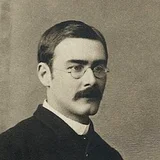 Rudyard Kipling (1865–1936), born in India, won the Nobel Prize in Literature in 1907. He wrote the Just So Stories, The Jungle Book and the poem 'If', and saw the Empire as a force for good.
The road to the vote
From property-owning men to women voting at 21, the same age as men.
Votes for more men
- 1832
Reform Act
Greatly increased the number of voters and abolished the old pocket and rotten boroughs, giving more seats to towns and cities. Voting still depended on owning property.
- 1830s–40s
The Chartists
Campaigned for the vote for the working classes and other people without property, and presented petitions to Parliament. They seemed to fail at first, but by 1918 most of their demands had been adopted.
- 1867
Second Reform Act
Created many more urban seats and lowered the amount of property needed to vote. Even so, most men still could not vote, and no women could.
Votes for women
- 1870 and 1882
Married women's property
New laws let wives keep their own earnings and property, which had belonged automatically to their husbands.
- 1889
Women's Franchise League
Set up by Emmeline Pankhurst, born in Manchester in 1858, to win married women the vote in local elections.
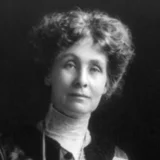 1903
1903The WSPU and the suffragettes
Pankhurst helped found the Women's Social and Political Union, the first group whose members were called suffragettes. They used civil disobedience: chaining themselves to railings, smashing windows and committing arson. Many, including Pankhurst, went on hunger strike.
- 1918
Women over 30
Women over 30 gained the vote and the right to stand for Parliament, partly in recognition of their work during the First World War.
- 1928
Equal at 21
Women gained the vote at 21, the same age as men, shortly before Pankhurst died that year.
Read the full story (5 min)Optional: the facts above, told in order as one read.
In 1837, Queen Victoria became queen of the UK at the age of 18. She reigned until 1901, almost 64 years. Her reign is known as the Victorian Age. It was a time when Britain increased in power and influence abroad, and the middle classes became increasingly significant.
During the Victorian period, the British Empire grew to cover all of India, Australia and large parts of Africa. It became the largest empire the world has ever seen, with an estimated population of more than 400 million people.
Between 1853 and 1913, as many as 13 million British citizens left the country to settle overseas. People also continued to come to Britain from other parts of the world. Between 1870 and 1914, around 120,000 Russian and Polish Jews came to Britain to escape persecution. Many settled in London’s East End and in Manchester and Leeds.
The government began to promote policies of free trade, abolishing a number of taxes on imported goods. The Corn Laws were repealed in 1846, which had prevented the import of cheap grain. Working conditions in factories gradually improved. In 1847, the number of hours that women and children could work was limited by law to 10 hours per day.
George and Robert Stephenson, father and son, pioneered the railway engine and a major expansion of the railways took place in the Victorian period. Railways were built throughout the Empire. There were also great advances in engineering, such as the building of bridges by Isambard Kingdom Brunel.
Isambard Kingdom Brunel (1806–59) was an engineer from Portsmouth who built tunnels, bridges, railway lines and ships. He was responsible for constructing the Great Western Railway, the first major railway built in Britain. He also designed the Clifton Suspension Bridge, which spans the Avon Gorge.
British industry led the world in the 19th century: the UK produced more than half of the world’s iron, coal and cotton cloth. In 1851, the Great Exhibition opened in Hyde Park in the Crystal Palace, a huge building made of steel and glass. Exhibits ranged from huge machines to handmade goods. Countries from all over the world showed their goods, but most of the objects were made in Britain.
From 1853 to 1856, Britain fought with Turkey and France against Russia in the Crimean War. It was the first war to be extensively covered by the media, through news stories and photographs. Queen Victoria introduced the Victoria Cross medal during this war to honour acts of valour by soldiers.
Florence Nightingale (1820–1910) was born in Italy to English parents. She trained as a nurse in Germany and in 1854 went to Turkey to work in military hospitals during the Crimean War. She and her fellow nurses improved conditions and reduced the mortality rate. In 1860 she established the Nightingale Training School for nurses at St Thomas’ Hospital in London. She is often regarded as the founder of modern nursing.
Conditions in Ireland were not as good as in the rest of the UK. In the middle of the century, the potato crop failed and Ireland suffered a famine. A million people died from disease and starvation. Another million and a half left Ireland, emigrating to the United States or coming to England. By 1861, there were large Irish populations in cities such as Liverpool, London, Manchester and Glasgow. The Irish Nationalist movement grew: some, such as the Fenians, favoured complete independence; others, such as Charles Stuart Parnell, wanted ‘Home Rule’, with Ireland remaining in the UK but having its own parliament.
The Reform Act of 1832 greatly increased the number of people with the right to vote and abolished the old pocket and rotten boroughs, giving more seats to towns and cities. Voting was still based on owning property.
Campaigners called the Chartists demanded the vote for the working classes and other people without property, and presented petitions to Parliament. At first they seemed unsuccessful, but in 1867 another Reform Act created many more urban seats in Parliament and reduced the property requirement to vote. However, the majority of men still could not vote and no women could vote at all. By 1918, most of the Chartists’ demands had been adopted.
Until 1870, a married woman’s earnings, property and money automatically belonged to her husband; Acts of Parliament in 1870 and 1882 gave wives the right to keep their own earnings and property. Emmeline Pankhurst (1858–1928) was born in Manchester. In 1889 she set up the Women’s Franchise League, which fought to get married women the vote in local elections. In 1903 she helped found the Women’s Social and Political Union (WSPU), the first group whose members were called ‘suffragettes’. They used civil disobedience — chaining themselves to railings, smashing windows and committing arson. Many, including Pankhurst, went on hunger strike. In 1918, women over the age of 30 were given voting rights and the right to stand for Parliament, partly in recognition of their contribution to the First World War effort. Shortly before Pankhurst’s death in 1928, women were given the right to vote at the age of 21, the same as men.
The Boer War of 1899 to 1902 was fought in South Africa against settlers from the Netherlands called the Boers. The Boers fought fiercely and the war lasted over three years. Many died in the fighting and many more from disease. People began to question whether the Empire could continue.
Rudyard Kipling (1865–1936) was born in India and later lived in India, the UK and the USA. He was awarded the Nobel Prize in Literature in 1907. His books include the Just So Stories and The Jungle Book. His poems and novels reflected the idea that the British Empire was a force for good. His poem If has often been voted among the UK’s favourite poems.
Do not mix up
Practise
Check this topic
Preparing three random questions from this topic.