
In this topic
What to be able to answer
- Know the First World War trigger, the two sides, the Somme and the Armistice.
- Place Home Rule, the Easter Rising, the 1921 treaty, partition in 1922 and the 1949 republic.
- Recall the Great Depression's effects and the BBC's firsts.
- Keep 1940 apart: Churchill, Dunkirk, the Battle of Britain and the Blitz, then D-Day and 1945.
Learn
Two global conflicts, the partition of Ireland and the inter-war years
The early 20th century was a time of social progress. Financial help for the unemployed, old-age pensions and free school meals were introduced. Laws were passed to improve safety in the workplace, and a salary for Members of Parliament was introduced for the first time.
The world wars and the years between
The First World War, Ireland, the inter-war years, the Second World War and wartime science.
First World War, 1914–18
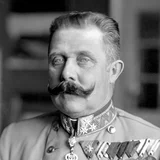 Trigger: Archduke Franz Ferdinand of Austria was assassinated on 28 June 1914.
- Allied Powers: Britain, France, Russia, Japan, Belgium and Serbia, later joined by Greece, Italy, Romania and the United States.
- Central Powers: mainly Germany, the Austro-Hungarian Empire and the Ottoman Empire, later joined by Bulgaria.
- The whole Empire fought: more than a million Indians, around 40,000 of whom were killed, plus men from the West Indies, Africa, Australia, New Zealand and Canada.
- There were more than 2 million British casualties, including about 60,000 on the first day of the Somme, in July 1916.
- The war ended at 11.00 am on 11 November 1918, with victory for Britain and its allies.
Ireland
- 1913: the government promised Home Rule, a self-governing Ireland inside the UK, but postponed it when war broke out.
- 1916: Irish Nationalists rose against the British in Dublin in the Easter Rising. Its leaders were executed.
- A guerrilla war followed. A peace treaty was signed in 1921, and in 1922 Ireland became two countries.
- Six mainly Protestant counties in the north stayed in the UK as Northern Ireland. The rest became the Irish Free State, a republic from 1949.
- Years of disagreement over the split led to a terror campaign known as 'the Troubles'.
Between the wars
- 1929: the Great Depression brought mass unemployment to parts of the UK.
- Traditional heavy industries such as shipbuilding were badly hit, while new car and aviation industries grew.
- Car ownership doubled from 1 million to 2 million between 1930 and 1939.
- A cultural blossoming: writers Graham Greene and Evelyn Waugh, and the economist John Maynard Keynes.
- The BBC began radio broadcasts in 1922 and the world's first regular television service in 1936.
Second World War, 1939–45
- Adolf Hitler came to power in Germany in 1933.
- When Hitler invaded Poland in 1939, Britain and France declared war.
- The Axis powers were Germany, Italy and Japan.
- 6 June 1944, D-Day: Allied forces landed in Normandy, then pushed through France into Germany.
- Germany was defeated in May 1945. The war against Japan ended in August 1945, after the United States dropped atom bombs on Hiroshima and Nagasaki.
Science
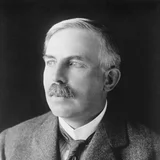 Scientists led by New Zealand-born Ernest Rutherford, at Manchester and then Cambridge, were the first to split the atom.
- Some British scientists joined the Manhattan Project in the United States, which developed the atomic bomb.
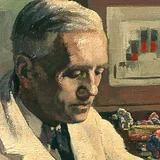 Alexander Fleming (1881–1955), born in Scotland, discovered penicillin in 1928 while researching flu. Howard Florey and Ernst Chain made it into a usable drug, and Fleming won the Nobel Prize in Medicine in 1945.
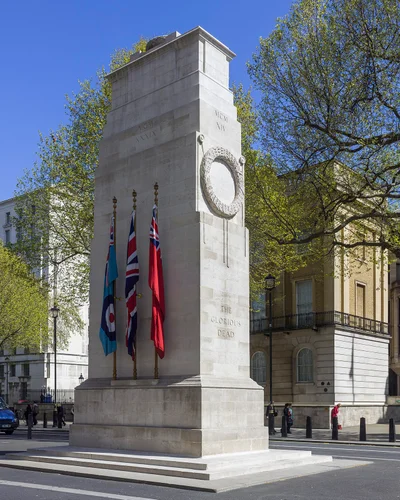
Britain in 1940
Four moments that are easy to mix up: a new leader, a rescue, an air battle and a bombing campaign.
May 1940
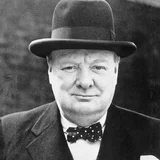
Churchill becomes Prime Minister
As German forces advanced through France, Winston Churchill became Prime Minister. He refused to surrender to the Nazis and inspired the British people through hard times.
‘I have nothing to offer but blood, toil, tears and sweat.’
His first speech to the House of Commons as Prime Minister
May–June 1940
Dunkirk
As France fell, the Navy, helped by civilian volunteers in small pleasure and fishing boats, rescued more than 300,000 British and French soldiers from the beaches around Dunkirk.
‘The Dunkirk spirit’
‘We shall fight on the beaches … we shall never surrender.’
Speech to the House of Commons after Dunkirk
Summer 1940
The Battle of Britain
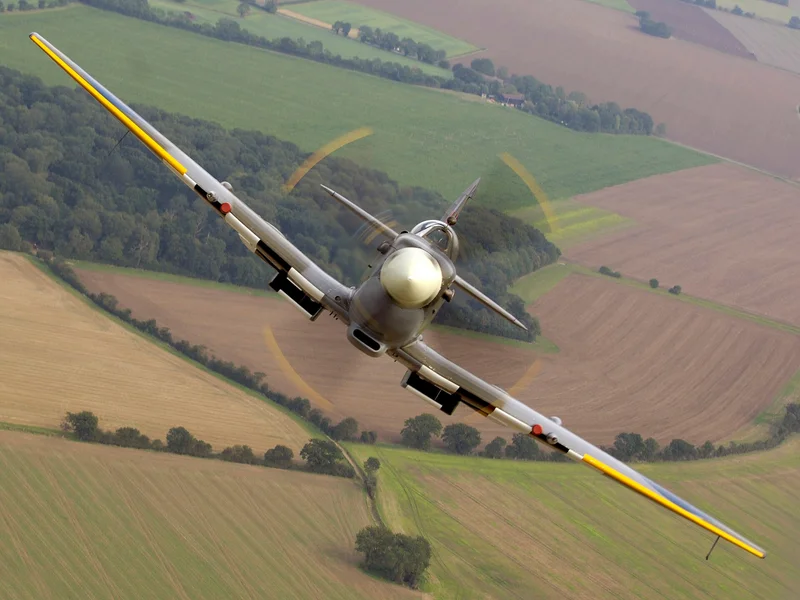
Hitler needed control of the air before invading. The Royal Air Force won this air battle with the British-designed and built Spitfire and Hurricane fighters.
‘Never in the field of human conflict was so much owed by so many to so few.’
Speech to the House of Commons during the Battle of Britain
Autumn 1940 onwards
The Blitz
The German air force kept bombing London and other cities at night. Coventry was almost totally destroyed, and London's East End was badly damaged.
‘The Blitz spirit’: Britons pulling together in hard times
Winston Churchill (1874–1965), the son of a politician, was a soldier and journalist before becoming a Conservative MP in 1900. He lost the 1945 general election but returned as Prime Minister in 1951, stayed an MP until 1964, and was given a state funeral in 1965. In 2002 the public voted him the greatest Briton of all time.
Read the full story (4 min)Optional: the facts above, told in order as one read.
The early 20th century was a time of social progress. Financial help for the unemployed, old-age pensions and free school meals were introduced. Laws were passed to improve safety in the workplace, and a salary for Members of Parliament was introduced for the first time.
On 28 June 1914, Archduke Franz Ferdinand of Austria was assassinated, setting off a chain of events leading to the First World War (1914–18). Britain was part of the Allied Powers, which included France, Russia, Japan, Belgium and Serbia, and later Greece, Italy, Romania and the United States. The Allies fought against the Central Powers — mainly Germany, the Austro-Hungarian Empire, the Ottoman Empire and later Bulgaria.
The whole of the British Empire was involved in the conflict. More than a million Indians fought on behalf of Britain, and around 40,000 were killed. Men from the West Indies, Africa, Australia, New Zealand and Canada also fought. Millions of people were killed or wounded, with more than 2 million British casualties.
The British attack on the Somme in July 1916 resulted in about 60,000 British casualties on the first day alone. The First World War ended at 11.00 am on 11th November 1918 with victory for Britain and its allies.
In 1913, the British government promised ‘Home Rule’ for Ireland — a self-governing Ireland with its own parliament but still part of the UK. The outbreak of war led the government to postpone changes. Irish Nationalists were not willing to wait, and in 1916 there was an uprising (the Easter Rising) against the British in Dublin. The leaders of the uprising were executed under military law.
A guerrilla war against the British followed. In 1921 a peace treaty was signed and in 1922 Ireland became two countries. The six counties in the north, which were mainly Protestant, remained part of the UK under the name Northern Ireland. The rest of Ireland became the Irish Free State, which became a republic in 1949.
Years of disagreement between those wishing for full Irish independence and those wishing to remain loyal to the British government led to a terror campaign known as ‘the Troubles’.
In 1929, the world entered the Great Depression and some parts of the UK suffered mass unemployment. Traditional heavy industries like shipbuilding were badly affected, but new industries — including automobiles and aviation — developed. Car ownership doubled from 1 million to 2 million between 1930 and 1939.
It was also a time of cultural blossoming, with writers such as Graham Greene and Evelyn Waugh. The economist John Maynard Keynes published influential new theories of economics. The BBC started radio broadcasts in 1922 and began the world’s first regular television service in 1936.
Adolf Hitler came to power in Germany in 1933. When Hitler invaded Poland in 1939, Britain and France declared war. The war was initially fought between the Axis powers (Germany, Italy and Japan) and the Allies. Winston Churchill became Prime Minister in 1940 and was an inspirational war leader. He refused to surrender to the Nazis and rallied the British people during a time of great hardship.
Winston Churchill (1874–1965) was the son of a politician and was a soldier and journalist before becoming a Conservative MP in 1900. He made many famous speeches, including: ‘I have nothing to offer but blood, toil, tears and sweat’ (his first speech as Prime Minister); ‘We shall fight on the beaches… we shall never surrender’ (after Dunkirk); and ‘Never in the field of human conflict was so much owed by so many to so few’ (during the Battle of Britain). He lost the 1945 general election but returned as Prime Minister in 1951, remained an MP until 1964 and was given a state funeral in 1965. In 2002, he was voted the greatest Briton of all time by the public.
As France fell, a huge naval operation rescued more than 300,000 British and French soldiers from the beaches around Dunkirk. Many civilian volunteers in small pleasure and fishing boats helped the Navy. This gave rise to the phrase ‘the Dunkirk spirit’.
Hitler wanted to invade Britain, but first needed to control the air. The Royal Air Force resisted with Spitfire and Hurricane fighter planes and won the crucial aerial Battle of Britain in the summer of 1940.
Despite this victory, the German air force continued bombing London and other cities at night, a campaign called the Blitz. Coventry was almost totally destroyed and great damage was done in other cities, especially the East End of London. The strong national spirit of resistance is still invoked as ‘the Blitz spirit’.
On 6 June 1944, Allied forces landed in Normandy (D-Day). The Allies pressed on through France and into Germany, comprehensively defeating Germany in May 1945. The war against Japan ended in August 1945 when the United States dropped atom bombs on Hiroshima and Nagasaki.
Scientists led by New-Zealand-born Ernest Rutherford, working at Manchester and then Cambridge University, were the first to ‘split the atom’. Some British scientists went on to take part in the Manhattan Project, which developed the atomic bomb.
Alexander Fleming (1881–1955) was born in Scotland. While researching influenza in 1928, he discovered penicillin. It was further developed into a usable drug by Howard Florey and Ernst Chain. Fleming won the Nobel Prize in Medicine in 1945. Penicillin is still used to treat bacterial infections today.
Do not mix up
Practise
Check this topic
Preparing three random questions from this topic.