
In this topic
What to be able to answer
- Match each painter or sculptor to their style or best-known work.
- Place each architect and building on the century ladder.
- Remember the galleries, the Turner Prize, the garden designers and the national flowers.
Learn
British painters, buildings, gardens and national flowers
During the Middle Ages, most art in Britain had a religious theme, particularly wall paintings in churches and illustrations in religious books. Much of this was lost after the Protestant Reformation, but wealthy families began to collect other paintings and sculptures.
Many painters working in Britain in the 16th and 17th centuries were from abroad — for example, Hans Holbein and Sir Anthony Van Dyck. British artists, particularly those painting portraits and landscapes, became well known from the 18th century onwards.
Well-known galleries include the National Gallery, Tate Britain and Tate Modern in London, the National Museum in Cardiff, and the Scottish National Gallery (also called the National Gallery of Scotland) in Edinburgh.
Artists, buildings and gardens
Painters by what they painted, architects by century and building, gardens by designer.
Painters and sculptors
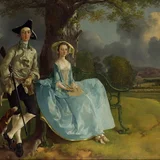
Thomas Gainsborough1727–1788
PortraitsOften painted people in country or garden scenery.
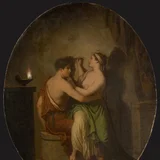
David Allan1744–1796
ScottishThe Origin of PaintingBest known for painting portraits.
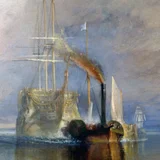
Joseph Turner1775–1851
LandscapesModern-style landscapes; he raised the profile of landscape painting.
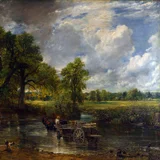
John Constable1776–1837
Dedham ValeLandscapes on the Suffolk–Essex border in the east of England.
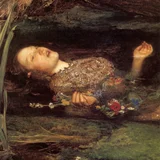
The Pre-Raphaelites
Holman HuntDante Gabriel RossettiSir John MillaisSecond half of the 19th century: detailed religious or literary scenes in bright colours.
Sir John Lavery1856–1941
Northern IrishPainted the Royal FamilyVery successful portrait painter.
Henry Moore1898–1986
Large bronze abstract sculpturesEnglish sculptor and artist.
John Petts1914–1991
WelshEngravings and stained glassLucian Freud1922–2011
German-bornPortraitsDavid Hockney1937–2026
Pop art of the 1960sAn important contributor to the pop art movement.
Since the handbook: he died in June 2026.
Buildings through the centuries
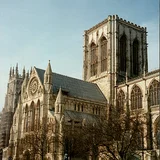
Middle Ages
Cathedrals and castles
DurhamLincolnCanterburySalisburyYork Minster's stained glass is famous. Castles included Windsor and Edinburgh; the White Tower (Tower of London) is a Norman keep built for William the Conqueror.
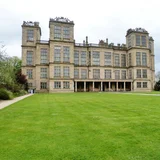
Tudor
Great country houses
Hardwick Hall, DerbyshireThe houses of the wealthy became more elaborate.
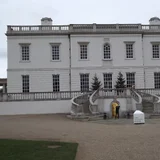
17th century
Inigo Jones
Queen's House, GreenwichBanqueting House, WhitehallTook inspiration from classical architecture.
Late 17th century
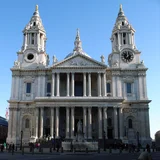
Sir Christopher Wren
St Paul's CathedralA British version of the ornate styles popular in Europe.
18th century
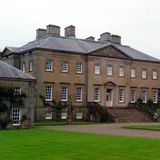
Robert Adam
Dumfries HouseRoyal Crescent, BathScottish; simpler designs, inside and out. Influenced the UK, Europe, America and cities such as Bath.
19th century
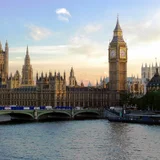
Gothic revival
Houses of ParliamentSt Pancras StationThe medieval style returned as cities grew, as in the Manchester and Sheffield town halls.
20th century
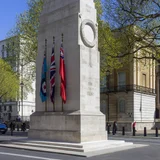
Sir Edwin Lutyens
New DelhiThe CenotaphInfluential across the British Empire: New Delhi as India's seat of government, and many First World War memorials, including the Cenotaph in Whitehall (Remembrance Day service).
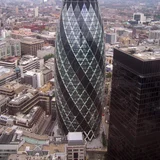
Today
Modern architects working worldwide
Sir Norman Foster (1935–)Lord (Richard) Rogers (1933–2021)Dame Zaha Hadid (1950–2016)
Gardens and national flowers
Lancelot 'Capability' Brown
Natural-looking landscapes18th century: grounds of country houses with grass, trees and lakes; he said places had 'capabilities'.
Gertrude Jekyll
Colourful gardensOften worked with Edwin Lutyens, around the houses he designed.
Chelsea Flower Show
Annual show of garden design from Britain and around the world.
National flowers, sometimes worn on national saints' days
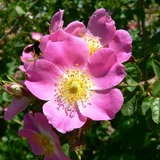 RoseEngland
 ThistleScotland
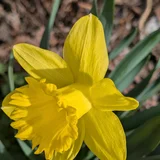 DaffodilWales
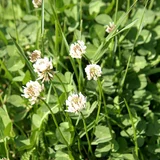 ShamrockNorthern Ireland
Image credits: Chensiyuan, CC BY-SA 4.0, via Wikimedia Commons; Derek Voller (2015), CC BY-SA 2.0, via Wikimedia Commons; Colin Smith (2012), CC BY-SA 2.0, via Wikimedia Commons; Sjiong, CC BY-SA 3.0, via Wikimedia Commons; Gordon Brown (2008), CC BY-SA 2.0, via Wikimedia Commons; Tristan Sherfield, CC BY-SA 4.0, via Wikimedia Commons; Mramorak, CC BY-SA 4.0, via Wikimedia Commons; Sten Porse, CC BY-SA 3.0, via Wikimedia Commons; NinjaRobotPirate (2025), CC BY 4.0, via Wikimedia Commons.
The Turner Prize was established in 1984 and celebrates contemporary art. It is named after Joseph Turner. Four works are shortlisted every year and shown at Tate Britain before the winner is announced. It is one of the most prestigious visual art awards in Europe. Previous winners include Damien Hirst and Richard Wright.
Read the full explanation (4 min)Optional: the facts above, told in order as one read.
During the Middle Ages, most art in Britain had a religious theme, particularly wall paintings in churches and illustrations in religious books. Much of this was lost after the Protestant Reformation, but wealthy families began to collect other paintings and sculptures.
Many painters working in Britain in the 16th and 17th centuries were from abroad — for example, Hans Holbein and Sir Anthony Van Dyck. British artists, particularly those painting portraits and landscapes, became well known from the 18th century onwards.
Well-known galleries include the National Gallery, Tate Britain and Tate Modern in London, the National Museum in Cardiff, and the Scottish National Gallery (also called the National Gallery of Scotland) in Edinburgh.
Thomas Gainsborough (1727–1788) was a portrait painter who often painted people in country or garden scenery. David Allan (1744–1796) was a Scottish painter best known for portraits, including The Origin of Painting.
Joseph Turner (1775–1851) was an influential landscape painter in a modern style, considered the artist who raised the profile of landscape painting. John Constable (1776–1837) was a landscape painter most famous for his works of Dedham Vale on the Suffolk–Essex border.
The Pre-Raphaelites were an important group of artists in the second half of the 19th century. They painted detailed pictures on religious or literary themes in bright colours. The group included Holman Hunt, Dante Gabriel Rossetti and Sir John Millais.
Sir John Lavery (1856–1941) was a very successful Northern Irish portrait painter whose work included painting the Royal Family. Henry Moore (1898–1986) was an English sculptor best known for his large bronze abstract sculptures.
John Petts (1914–1991) was a Welsh artist best known for his engravings and stained glass. Lucian Freud (1922–2011) was a German-born British artist best known for his portraits. David Hockney (1937–2026) was an important contributor to the pop art movement of the 1960s.
The Turner Prize was established in 1984 and celebrates contemporary art. It is named after Joseph Turner. Four works are shortlisted every year and shown at Tate Britain before the winner is announced. It is one of the most prestigious visual art awards in Europe. Previous winners include Damien Hirst and Richard Wright.
In the Middle Ages, great cathedrals and churches were built, many of which still stand today. Examples include the cathedrals in Durham, Lincoln, Canterbury and Salisbury; the stained glass of York Minster is a famous example. Castles such as Windsor and Edinburgh were also built. The White Tower in the Tower of London is an example of a Norman castle keep, built on the orders of William the Conqueror. Later, the houses of the wealthy became more elaborate, with great country houses such as Hardwick Hall in Derbyshire.
In the 17th century, Inigo Jones took inspiration from classical architecture to design the Queen’s House at Greenwich and the Banqueting House in Whitehall. Later, Sir Christopher Wren helped develop a British version of ornate European styles in buildings such as the new St Paul’s Cathedral.
In the 18th century, the Scottish architect Robert Adam influenced architecture in the UK, Europe and America. He designed the interiors as well as buildings, including Dumfries House in Scotland. His ideas influenced architects in cities such as Bath, where the Royal Crescent was built.
In the 19th century, the medieval gothic style became popular again. The Houses of Parliament and St Pancras Station were built in this period, along with town halls in cities such as Manchester and Sheffield.
In the 20th century, Sir Edwin Lutyens had an influence throughout the British Empire. He designed New Delhi as the seat of government in India and, after the First World War, was responsible for many war memorials, including the Cenotaph in Whitehall, where the annual Remembrance Day service is held.
Modern British architects associated with major projects worldwide include Sir Norman Foster (1935–), Lord (Richard) Rogers (1933–2021) and Dame Zaha Hadid (1950–2016).
In the 18th century, Lancelot ‘Capability’ Brown designed the grounds around country houses so that the landscape appeared natural, with grass, trees and lakes. Gertrude Jekyll often worked with Edwin Lutyens to design colourful gardens around the houses he designed.
The annual Chelsea Flower Show showcases garden design from Britain and around the world. The national flowers are: the rose for England, the thistle for Scotland, the daffodil for Wales, and the shamrock for Northern Ireland.
Do not mix up
Practise
Check this topic
Preparing three random questions from this topic.