
In this topic
What to be able to answer
- Match novelists to their books and characters.
- Match poems to their poets, including the Middle Ages poems.
- Separate designers from writers, and remember the Nobel and Booker winners and Poets' Corner.
Learn
British designers, novelists and poets
Designers, writers and poets
Each name with the work, character or field it is known for.
Designers
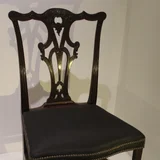
Thomas Chippendale
18th-century furnitureClarice Cliff
Art Deco ceramicsSir Terence Conran
20th-century interior designMary Quant, Alexander McQueen, Vivienne Westwood
FashionLeading fashion designers of recent years.
Novelists and their books
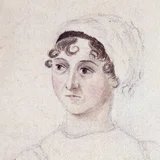
Jane Austen1775–1817
Pride and PrejudiceSense and SensibilityMarriage and family relationships; many adapted for TV and film.
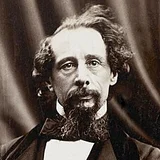
Charles Dickens1812–1870
Oliver TwistGreat ExpectationsHis characters entered everyday speech: a Scrooge is a mean person; a Mr Micawber is always hopeful.
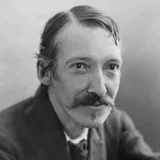
Robert Louis Stevenson1850–1894
Treasure IslandKidnappedDr Jekyll and Mr HydeThomas Hardy1840–1928
Far from the Madding CrowdJude the ObscureAuthor and poet; novels about rural society.
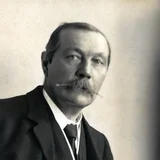
Sir Arthur Conan Doyle1859–1930
Sherlock HolmesScottish doctor and writer; one of the first fictional detectives.
Evelyn Waugh1903–1966
Brideshead RevisitedDecline and FallScoopSatirical novels.
Graham Greene1904–1991
Brighton RockThe Heart of the MatterOur Man in HavanaThe Honorary ConsulOften influenced by his religious beliefs.
Sir Kingsley Amis1922–1995
Lucky JimNovelist and poet; more than 20 novels.
Dame Agatha Christie
Detective storiesRead all over the world.
Ian Fleming
James BondJRR Tolkien
The Lord of the RingsVoted the country's best-loved novel in 2003.
J K Rowling1965–
Harry PotterHuge international success; now also writes for adults.
Poems and poets
Beowulf
Anglo-SaxonA hero's battles against monsters; still translated into modern English.
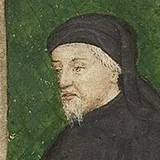
The Canterbury Tales
Geoffrey ChaucerMiddle Ages poems from the years leading up to 1400: pilgrims tell each other stories on the way to Canterbury. One of the first books William Caxton printed.
Sir Gawain and the Green Knight
Middle AgesAbout one of the knights at the court of King Arthur.
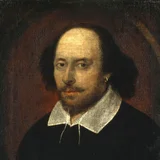
Sonnets
William ShakespearePoems of 14 lines; he also wrote some longer poems.
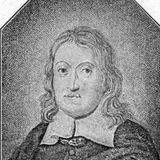
Paradise Lost
John MiltonInspired by his Protestant religious views.
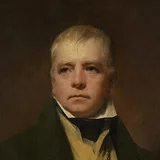
Sir Walter Scott
Scotland and the bordersPoems and novels inspired by Scotland and the stories and songs of the Scottish borders.
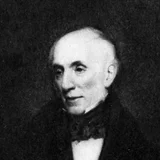
The Daffodils
William WordsworthInspired by nature: 'I wander'd lonely as a cloud…'
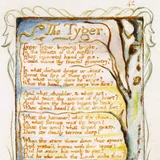
The Tyger
William Blake'Tyger! Tyger! burning bright / In the forests of the night…'
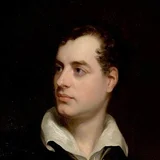
She Walks in Beauty
Lord Byron'She walks in beauty, like the night…'
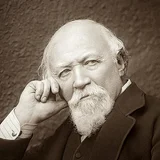
Home Thoughts from Abroad
Robert Browning'Oh, to be in England now that April's there…'
19th-century poets
William BlakeJohn KeatsLord ByronPercy ShelleyAlfred Lord TennysonRobert and Elizabeth BrowningPoetry was very popular in the 19th century.
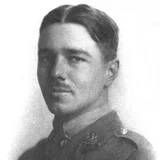
Anthem for Doomed Youth
Wilfred Owen'What passing-bells for these who die as cattle?' Owen and Siegfried Sassoon wrote about their experiences in the First World War.
More recent popular poets
Sir Walter de la MareJohn MasefieldSir John BetjemanTed Hughes
The UK has a prestigious literary history. Several British writers have won the Nobel Prize in Literature, including the novelist Sir William Golding, the poet Seamus Heaney, and the playwright Harold Pinter.
The Man Booker Prize for Fiction, established in 1968, is awarded every year for the best novel. Past winners include Ian McEwan, Hilary Mantel and Julian Barnes. Since 2019 it has been called simply the Booker Prize.
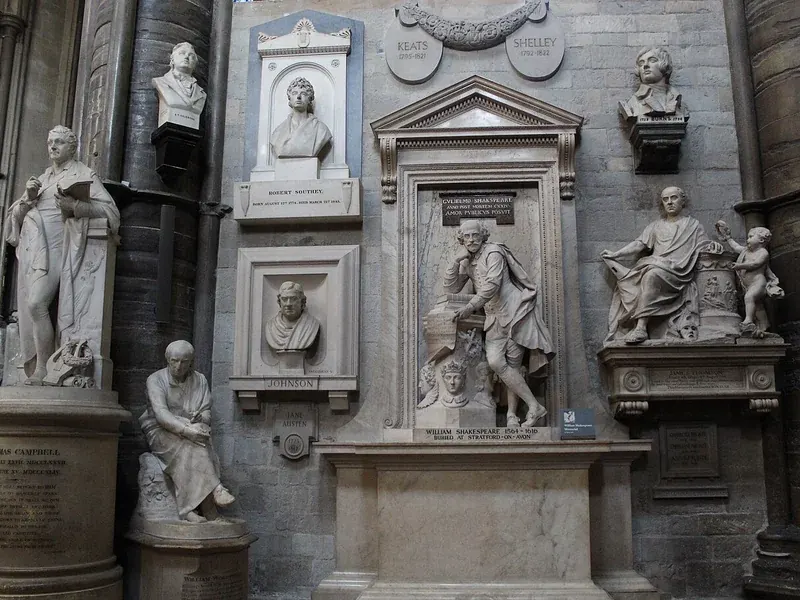
Some of the best-known poets are buried or commemorated in Poets' Corner in Westminster Abbey.
Read the full explanation (3 min)Optional: the facts above, told in order as one read.
Britain has produced many great designers. Thomas Chippendale designed furniture in the 18th century. Clarice Cliff designed Art Deco ceramics. Sir Terence Conran was a leading 20th-century interior designer.
Leading fashion designers of recent years include Mary Quant, Alexander McQueen and Vivienne Westwood.
The UK has a prestigious literary history. Several British writers have won the Nobel Prize in Literature, including the novelist Sir William Golding, the poet Seamus Heaney, and the playwright Harold Pinter.
The Man Booker Prize for Fiction, established in 1968, is awarded every year for the best novel. Past winners include Ian McEwan, Hilary Mantel and Julian Barnes. Since 2019 it has been called simply the Booker Prize.
Dame Agatha Christie’s detective stories are read all over the world. Ian Fleming’s books introduced James Bond. In 2003, The Lord of the Rings by JRR Tolkien was voted the country’s best-loved novel.
Jane Austen (1775–1817) was an English novelist whose books include Pride and Prejudice and Sense and Sensibility. Her novels are concerned with marriage and family relationships, and many have been adapted for television and film.
Charles Dickens (1812–1870) wrote many famous novels including Oliver Twist and Great Expectations. Characters from his works have entered everyday speech: Scrooge means a mean person, and Mr Micawber describes someone who is always hopeful.
Robert Louis Stevenson (1850–1894) wrote books still read by adults and children, including Treasure Island, Kidnapped and Dr Jekyll and Mr Hyde. Thomas Hardy (1840–1928) was an author and poet whose best-known novels focus on rural society, including Far from the Madding Crowd.
Sir Arthur Conan Doyle (1859–1930) was a Scottish doctor and writer, best known for his stories about Sherlock Holmes, one of the first fictional detectives.
Evelyn Waugh (1903–1966) wrote satirical novels including Brideshead Revisited. Sir Kingsley Amis (1922–1995) was an English novelist and poet; his most well-known novel is Lucky Jim. Graham Greene (1904–1991) wrote novels often influenced by his religious beliefs, including Brighton Rock.
J K Rowling (1965–) wrote the Harry Potter series of children’s books, which have enjoyed huge international success. She now also writes fiction for adults.
British poetry is among the richest in the world. The Anglo-Saxon poem Beowulf tells of its hero’s battles against monsters and is still translated into modern English. Poems from the Middle Ages include Geoffrey Chaucer’s Canterbury Tales, written in the years leading up to 1400 about pilgrims who tell each other stories on the way to Canterbury, and Sir Gawain and the Green Knight, about a knight at the court of King Arthur. The Canterbury Tales was one of the first books printed by William Caxton. Shakespeare wrote many sonnets (poems of 14 lines) and some longer poems.
John Milton wrote Paradise Lost, inspired by his Protestant religious views. William Wordsworth was inspired by nature — his most famous lines begin ’I wander’d lonely as a cloud’. Sir Walter Scott wrote poems and novels inspired by Scotland and its border traditions.
Poetry was very popular in the 19th century. Notable poets include William Blake (‘Tyger! Tyger! Burning bright’), John Keats, Lord Byron (‘She walks in beauty, like the night’), Percy Shelley, Alfred Lord Tennyson, and Robert and Elizabeth Browning. Robert Browning wrote Home Thoughts from Abroad (’Oh, to be in England now that April’s there’).
Wilfred Owen and Siegfried Sassoon were inspired to write about their experiences in the First World War. Owen’s Anthem for Doomed Youth begins ‘What passing-bells for these who die as cattle?’.
Some of the best-known poets are buried or commemorated in Poets’ Corner in Westminster Abbey.
Do not mix up
Practise
Check this topic
Preparing three random questions from this topic.