
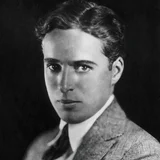
Charlie Chaplin
British actor famous for silent movies and his tramp character; made career in Hollywood.
In this topic
Learn
Scan the name, then the exact work, role, or achievement attached to it.
British actor famous for silent movies and his tramp character; made career in Hollywood.
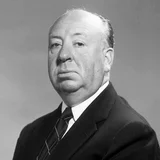
1899–1980
Eminent British director of the 1930s who later left for Hollywood and remained an important film director until his death in 1980.
Britain is still strong in animation and special effects: Park has won four Oscars for animated films, including three for Wallace and Gromit.
The UK has had a major influence on modern cinema. Films were first shown publicly in the UK in 1896 and screenings very quickly became popular. From the beginning, British film makers became famous for clever special effects, which remain an area of British expertise.
British films and their directors
Famous films by decade. Sir David Lean and Ridley Scott found great success in the UK and internationally.
Sir Alexander Korda and Sir Alfred Hitchcock were the eminent directors.
The 39 Steps
Alfred HitchcockIn Which We Serve
British films like this boosted morale during the Second World War.
Brief Encounter
David LeanThe Third Man
Carol ReedPassport to Pimlico, The Ladykillers, the Carry On films
The Belles of St Trinian's
Frank LaunderLawrence of Arabia
David LeanWomen in Love
Ken RussellDon't Look Now
Nicolas RoegChariots of Fire
Hugh HudsonThe Killing Fields
Roland JofféFour Weddings and a Funeral
Mike NewellTouching the Void
Kevin MacdonaldSome of the most commercially successful films of all time, including two of the highest-grossing film franchises — Harry Potter and James Bond — have been produced in the UK. Ealing Studios has a claim to being the oldest continuously working film studio facility in the world.
Actors such as Sir Laurence Olivier, David Niven, Sir Rex Harrison and Richard Burton starred in a wide variety of popular films. Recent British actors to have won Oscars include Colin Firth, Sir Anthony Hopkins, Dame Judi Dench, Kate Winslet and Tilda Swinton.
The annual British Academy Film Awards (BAFTA) are the British equivalent of the Oscars, hosted by the British Academy of Film and Television Arts.
The traditions of comedy and satire, and the ability to laugh at ourselves, are an important part of the UK character. Medieval kings and rich nobles had jesters who told jokes and made fun of people in the Court. Shakespeare included comic characters in his plays.
In the 18th century, political cartoons attacking prominent politicians became increasingly popular. In the 19th century, satirical magazines began to be published; the most famous was Punch, first published in the 1840s. Today, magazines such as Private Eye continue the tradition of satire.
Comedians were a popular feature of British music hall, a form of variety theatre common until television took over. Some performers from the 1940s and 1950s music halls, such as Morecambe and Wise, became stars of television.
Television comedy developed its own style — situation comedies (sitcoms), which often explore family life and workplace relationships, remain popular. In 1969, Monty Python's Flying Circus introduced a new type of progressive comedy.
Stand-up comedy, where a solo comedian talks to a live audience, has become popular again in recent years.
The UK has had a major influence on modern cinema. Films were first shown publicly in the UK in 1896 and screenings very quickly became popular. From the beginning, British film makers became famous for clever special effects, which remain an area of British expertise.
Sir Charles (Charlie) Chaplin became famous in silent movies for his tramp character and was one of many British actors to make a career in Hollywood.
British studios flourished in the 1930s. Eminent directors included Sir Alexander Korda and Sir Alfred Hitchcock, who later left for Hollywood and remained an important film director until his death in 1980.
During the Second World War, British movies (such as In Which We Serve) played an important part in boosting morale. Later, British directors including Sir David Lean and Ridley Scott found great success both in the UK and internationally.
The 1950s and 1960s were a high point for British comedies, including Passport to Pimlico, The Ladykillers and the Carry On films.
Some of the most commercially successful films of all time, including two of the highest-grossing film franchises — Harry Potter and James Bond — have been produced in the UK. Ealing Studios has a claim to being the oldest continuously working film studio facility in the world.
Britain continues to be particularly strong in special effects and animation. Nick Park has won four Oscars for his animated films, including three for films featuring Wallace and Gromit.
Actors such as Sir Laurence Olivier, David Niven, Sir Rex Harrison and Richard Burton starred in a wide variety of popular films. Recent British actors to have won Oscars include Colin Firth, Sir Anthony Hopkins, Dame Judi Dench, Kate Winslet and Tilda Swinton.
The annual British Academy Film Awards (BAFTA) are the British equivalent of the Oscars, hosted by the British Academy of Film and Television Arts.
Some famous British films include: The 39 Steps (1935, Alfred Hitchcock), Brief Encounter (1945, David Lean), The Third Man (1949, Carol Reed), The Belles of St Trinian’s (1954, Frank Launder), Lawrence of Arabia (1962, David Lean), Women in Love (1969, Ken Russell), Don’t Look Now (1973, Nicolas Roeg), Chariots of Fire (1981, Hugh Hudson), The Killing Fields (1984, Roland Joffé), Four Weddings and a Funeral (1994, Mike Newell) and Touching the Void (2003, Kevin Macdonald).
The traditions of comedy and satire, and the ability to laugh at ourselves, are an important part of the UK character. Medieval kings and rich nobles had jesters who told jokes and made fun of people in the Court. Shakespeare included comic characters in his plays.
In the 18th century, political cartoons attacking prominent politicians became increasingly popular. In the 19th century, satirical magazines began to be published; the most famous was Punch, first published in the 1840s. Today, magazines such as Private Eye continue the tradition of satire.
Comedians were a popular feature of British music hall, a form of variety theatre common until television took over. Some performers from the 1940s and 1950s music halls, such as Morecambe and Wise, became stars of television.
Television comedy developed its own style — situation comedies (sitcoms), which often explore family life and workplace relationships, remain popular. In 1969, Monty Python’s Flying Circus introduced a new type of progressive comedy.
Stand-up comedy, where a solo comedian talks to a live audience, has become popular again in recent years.
Do not mix up
Practise
Preparing three random questions from this topic.