
In this topic
What to be able to answer
- Match the famous gardens, traditional foods and TV languages to each nation.
- Know the TV licence, alcohol, pub, betting and lottery numbers.
- Know how the BBC is funded and what pet owners must do.
Learn
Gardening, food, television, pubs and pets
A lot of people in the UK have gardens at home and spend their free time looking after them. Some people rent additional land called an allotment, where they grow fruit and vegetables. Gardening and flower shows range from major national exhibitions to small local events, and many towns have garden centres selling plants and gardening equipment.
Gardens, food and TV by nation
A wide variety of food is eaten in the UK. These are each nation's famous gardens, traditional dishes and TV in its own languages.
- EN
England
- Food
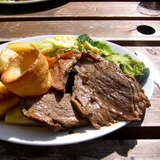 Roast beef; fish and chipsRoast beef comes with potatoes, vegetables and Yorkshire puddings (batter baked in the oven).
- Gardens
- Kew Gardens, Sissinghurst, Hidcote
- SC
Scotland
- Food
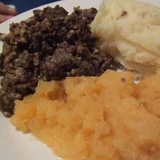 HaggisA sheep's stomach stuffed with offal, suet, onions and oatmeal.
- Gardens
- Crathes Castle, Inveraray Castle
- TV
- Some Scotland-only programmes and a channel in Gaelic.
- WA
Wales
- Food
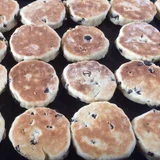 Welsh cakesA snack made from flour, dried fruits and spices, served hot or cold.
- Gardens
- Bodnant Garden
- TV
- A Welsh-language channel.
- NI
Northern Ireland
- Food
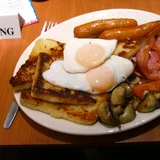 Ulster fryA fried meal of bacon, eggs, sausage, black pudding, tomatoes, mushrooms, soda bread and potato bread.
- Gardens
- Mount Stewart
- TV
- Some Northern Ireland programmes, and some broadcast in Irish Gaelic.
Image credits: Jeremy Keith (2005), CC BY 2.0, via Wikimedia Commons; Biology Big Brother (2007), CC BY 2.0, via Wikimedia Commons; Vouliagmeni (2016), CC BY-SA 4.0, via Wikimedia Commons.
Most towns and cities have a central shopping area called the town centre, and undercover shopping centres are also common. Most shops in the UK are open seven days a week, although trading hours on Sundays and public holidays are generally reduced. Many towns also have markets on one or more days a week.
Many different television channels are available in the UK; some are free to watch and others need a paid subscription. Popular programmes include soap operas such as Coronation Street and EastEnders.
The money from TV licences is used to pay for the British Broadcasting Corporation (BBC). The BBC is a public service broadcaster providing television and radio programmes; it began the world's first regular television service in 1936. It is the largest broadcaster in the world. Although it receives some state funding, the BBC is independent of the government. Other UK channels are primarily funded through advertisements and subscriptions.
There are many different radio stations in the UK. Some broadcast nationally and others in certain cities or regions; some play certain types of music and some broadcast in regional languages such as Welsh or Gaelic. BBC radio stations are funded by TV licences; other radio stations are funded through advertisements.
Social networking websites such as Facebook and Twitter (now called X) are a popular way to stay in touch with friends, organise social events, and share photos, videos and opinions. Many people use social networking on their mobile phones when out and about.
Licences, ages and pub rules
The numbers to know for TV, pubs, betting and the lottery.
TV licence
- Any device
A licence to watch TV
Needed to watch TV on a television, computer or any other device. One licence covers a home; tenants with separate agreements in a shared house each need one.
- Over 75
Free TV licence
People over 75 can apply for a free licence.
Since the handbook: only if they, or a partner they live with, receive Pension Credit.
- 50%
Discount for blind people
- £1,000
Maximum fine
For watching TV without a licence.
Pubs and night clubs
Pubs are an important part of UK social culture.
- 18
Buy alcohol in a pub or night club
Under-18s may be allowed into some pubs with an adult.
- 16
Wine or beer with a meal
In a hotel or restaurant, including eating areas in pubs, with someone over 18.
- 11am
Pubs usually open
12 noon on Sundays. The licensee decides the hours; night clubs with music and dancing usually open and close later than pubs.
- Games
Pool and darts
Traditional pub games. Pub quizzes are popular, and most communities have a 'local' pub as a focal point.
Betting and the lottery
- 18
Betting shops and gambling clubs
Betting and gambling are legal, and there are casinos in many places.
- 18
National Lottery
Enter by buying a ticket or a scratch card.
- Weekly
National Lottery draws
A lot of people in the UK have pets. It is against the law to treat a pet cruelly or to neglect it. All dogs in public places must wear a collar showing the name and address of the owner. The owner is responsible for keeping the dog under control and for cleaning up after the animal in a public place. Veterinary surgeons (vets) provide vaccinations and medical treatment for animals, and some charities help people who cannot afford to pay a vet.
Read the full explanation (4 min)Optional: the facts above, told in order as one read.
A lot of people in the UK have gardens at home and spend their free time looking after them. Some people rent additional land called an allotment, where they grow fruit and vegetables. Gardening and flower shows range from major national exhibitions to small local events, and many towns have garden centres selling plants and gardening equipment.
Famous gardens to visit include Kew Gardens, Sissinghurst and Hidcote in England, Crathes Castle and Inveraray Castle in Scotland, Bodnant Garden in Wales, and Mount Stewart in Northern Ireland.
Most towns and cities have a central shopping area called the town centre, and undercover shopping centres are also common. Most shops in the UK are open seven days a week, although trading hours on Sundays and public holidays are generally reduced. Many towns also have markets on one or more days a week.
Many people in the UK enjoy cooking and often invite each other to their homes for dinner. A wide variety of food is eaten in the UK because of its rich cultural heritage and diverse population. Traditional foods include roast beef, served with potatoes, vegetables and Yorkshire puddings (batter baked in the oven), and fish and chips in England; Welsh cakes, made from flour, dried fruits and spices and served hot or cold, in Wales; haggis (a sheep’s stomach stuffed with offal, suet, onions and oatmeal) in Scotland; and the Ulster fry, a fried meal with bacon, eggs, sausage, black pudding, tomatoes, mushrooms, soda bread and potato bread, in Northern Ireland.
Many different television channels are available in the UK; some are free to watch and others need a paid subscription. Popular programmes include soap operas such as Coronation Street and EastEnders.
Scotland has some Scotland-specific programmes and a channel with programmes in Gaelic. There is a Welsh-language channel in Wales. Northern Ireland has its own programmes, and some are broadcast in Irish Gaelic.
Everyone in the UK with a television, computer or other medium that can be used for watching TV must have a television licence. One licence covers all equipment in one home, except when people rent different rooms in a shared house with separate tenancy agreements. People over 75 can apply for a free TV licence; since 2020 this has applied only to people who receive Pension Credit, or live with a partner who does. Blind people can get a 50% discount. You will receive a fine of up to £1,000 if you watch TV without a licence.
The money from TV licences is used to pay for the British Broadcasting Corporation (BBC). The BBC is a public service broadcaster providing television and radio programmes; it began the world’s first regular television service in 1936. It is the largest broadcaster in the world. Although it receives some state funding, the BBC is independent of the government. Other UK channels are primarily funded through advertisements and subscriptions.
There are many different radio stations in the UK. Some broadcast nationally and others in certain cities or regions; some play certain types of music and some broadcast in regional languages such as Welsh or Gaelic. BBC radio stations are funded by TV licences; other radio stations are funded through advertisements.
Social networking websites such as Facebook and Twitter (now called X) are a popular way to stay in touch with friends, organise social events, and share photos, videos and opinions. Many people use social networking on their mobile phones when out and about.
Public houses (pubs) are an important part of UK social culture. Most communities have a ‘local’ pub; pub quizzes are popular, and pool and darts are traditional pub games. To buy alcohol in a pub or night club you must be 18 or over, but under-18s may be allowed into some pubs with an adult. When they are 16, people can drink wine or beer with a meal in a hotel or restaurant (including eating areas in pubs) as long as they are with someone over 18. Pubs usually open from 11.00 am (12 noon on Sundays); the licensee decides the hours, and night clubs usually open and close later than pubs.
Betting and gambling are legal in the UK, and there are casinos in many places, but you have to be 18 to go into betting shops or gambling clubs. There is a National Lottery for which draws are made every week. You can enter by buying a ticket or a scratch card. People under 18 are not allowed to participate in the National Lottery.
A lot of people in the UK have pets. It is against the law to treat a pet cruelly or to neglect it. All dogs in public places must wear a collar showing the name and address of the owner. The owner is responsible for keeping the dog under control and for cleaning up after the animal in a public place. Veterinary surgeons (vets) provide vaccinations and medical treatment for animals, and some charities help people who cannot afford to pay a vet.
Do not mix up
Practise
Check this topic
Preparing three random questions from this topic.