
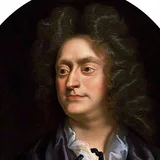
Henry Purcell
1659–1695
Organist at Westminster Abbey who developed a distinctly British style of Baroque music.
In this topic
Learn
Scan the name, then the exact work, role, or achievement attached to it.
1659–1695
Organist at Westminster Abbey who developed a distinctly British style of Baroque music.
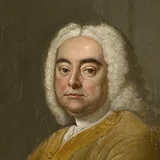
1695–1759
German-born composer; British citizen in 1727. Water Music for George I, Music for the Royal Fireworks for George II, and the oratorio Messiah, often sung at Easter.
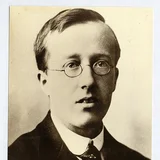
1874–1934
Composed The Planets suite; adapted Jupiter as I Vow to Thee My Country.
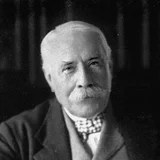
1857–1934
Born in Worcester. Pomp and Circumstance Marches; Land of Hope and Glory played at Last Night of the Proms.
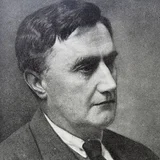
1872–1958
Composed orchestral and choral music strongly influenced by English folk traditions.
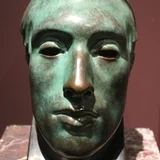
1902–1983
Wrote Facade and Belshazzar's Feast; composed coronation marches for George VI and Elizabeth II.
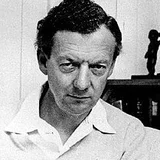
1913–1976
Opera composer (Peter Grimes, Billy Budd); wrote A Young Person's Guide to the Orchestra; founded Aldeburgh festival.
Music is an important part of British culture, with a rich and varied heritage ranging from classical music to modern pop.
The Proms is an eight-week summer season of orchestral classical music that takes place in various venues, including the Royal Albert Hall in London. The BBC has organised the Proms since 1927. The Last Night of the Proms is the most well-known concert and is broadcast on television.
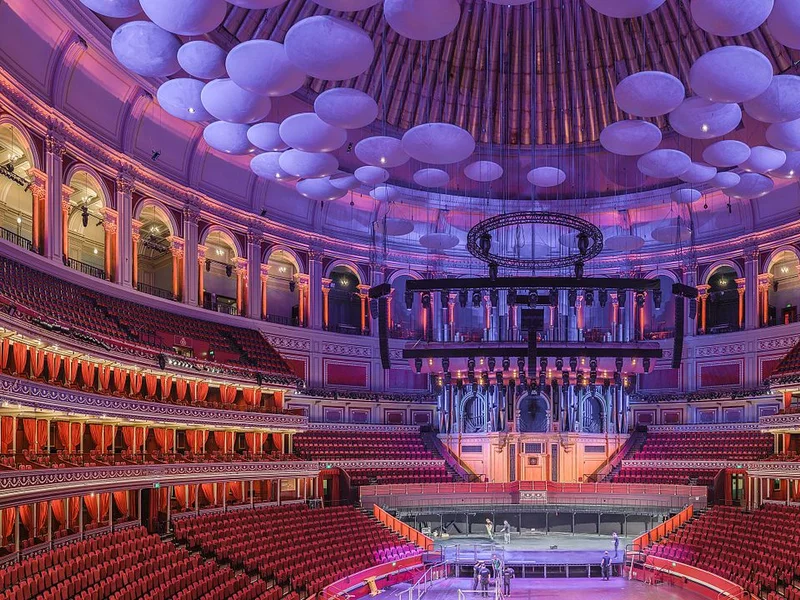
Pop, festivals, awards and the stage
Match each name to what it is: a band, a festival, a venue, an award or a show.
Since the 1960s, British pop music has been one of the most important cultural contributions to life in the UK.
The Beatles and The Rolling Stones
Still an influence in the UK and abroad.
Punk
Boy and girl bands
Glastonbury, Isle of Wight Festival, Creamfields
Famous music festivals in the summer festival season.
National Eisteddfod of Wales
Welsh cultureAnnual festival of music, dance, art and performances largely in Welsh, with Welsh poetry competitions.
Edinburgh Festival Fringe
Theatre and comedyEvery summerNot a music festivalThe biggest part of the Edinburgh Festival, a series of arts festivals; often experimental work.
Large music venues
Wembley StadiumThe O2 — Greenwich, south-east LondonThe SEC Centre — GlasgowMercury Music Prize
Best album from the UK and IrelandEach SeptemberSince the handbook: recent ceremonies have been held in October.
Brit Awards
MusicAnnual awards in categories such as best British group and best British solo artist.
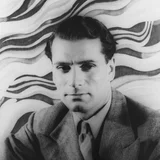
Laurence Olivier Awards
TheatreEvery year in LondonBest director, actor and actress. Named after Sir Laurence Olivier, known for Shakespeare roles.
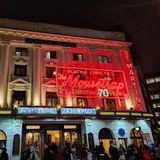
The Mousetrap
Agatha ChristieSince 1952Murder mystery in London's West End ('Theatreland'); the longest initial run of any show.
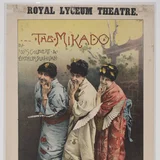
Gilbert and Sullivan
HMS PinaforeThe Pirates of PenzanceThe Mikado19th-century comic operas poking fun at popular culture and politics.
Andrew Lloyd Webber
Jesus Christ SuperstarEvitaCatsThe Phantom of the OperaShows popular worldwide; Jesus Christ Superstar and Evita were with Tim Rice.
Pantomime
ChristmasFairy storiesFamily comedy with music. The Dame is a woman played by a man; a pantomime horse or cow is two actors in one costume.
Image credits: Ji-Elle, CC BY-SA 4.0, via Wikimedia Commons.
Music is an important part of British culture, with a rich and varied heritage ranging from classical music to modern pop.
The Proms is an eight-week summer season of orchestral classical music that takes place in various venues, including the Royal Albert Hall in London. The BBC has organised the Proms since 1927. The Last Night of the Proms is the most well-known concert and is broadcast on television.
Henry Purcell (1659–1695) was an organist at Westminster Abbey. He wrote church music, operas and other pieces, and developed a distinctly British style of Baroque music that continues to influence British composers.
George Frederick Handel (1695–1759) was a German-born composer who spent many years in the UK and became a British citizen in 1727. He wrote Water Music for King George I and Music for the Royal Fireworks for George II. His oratorio Messiah is still regularly performed, often at Easter.
Gustav Holst (1874–1934) is best known for The Planets suite. He adapted the Jupiter movement as the tune for the hymn I Vow to Thee My Country, which remains popular in British churches.
Sir Edward Elgar (1857–1934), born in Worcester, wrote the Pomp and Circumstance Marches. March No. 1, known as Land of Hope and Glory, is traditionally played at the Last Night of the Proms.
Ralph Vaughan Williams (1872–1958) wrote music for orchestras and choirs, strongly influenced by traditional English folk music. Sir William Walton (1902–1983) composed a wide range of music including film scores and opera; his best-known works are Facade and Belshazzar’s Feast.
Benjamin Britten (1913–1976) is best known for his operas, including Peter Grimes and Billy Budd. He also wrote A Young Person’s Guide to the Orchestra, based on a piece by Purcell. He founded the Aldeburgh festival in Suffolk, which continues to be a popular music event of international importance.
Since the 1960s, British pop music has made one of the most important cultural contributions to life in the UK. Bands including The Beatles and The Rolling Stones continue to have an influence on music worldwide. The Punk movement emerged in the late 1970s, and boy and girl bands became a trend in the 1990s.
Large venues that host music events include Wembley Stadium, The O2 in Greenwich (south-east London), and The SEC Centre in Glasgow. Famous festivals include Glastonbury, the Isle of Wight Festival and Creamfields.
The National Eisteddfod of Wales is an annual cultural festival which includes music, dance, art and original performances largely in Welsh, with important competitions for Welsh poetry.
The Mercury Music Prize is awarded for the best album from the UK and Ireland. The handbook says it is awarded each September; recent ceremonies have been held in October. The Brit Awards is an annual event giving awards in categories such as best British group and best British solo artist.
London’s West End, also known as Theatreland, is particularly well known for its theatres. The Mousetrap, a murder-mystery play by Dame Agatha Christie, has been running in the West End since 1952 and has had the longest initial run of any show in history.
In the 19th century, Gilbert and Sullivan wrote comic operas, often satirising popular culture and politics. These include HMS Pinafore, The Pirates of Penzance and The Mikado, and their work is still frequently staged.
Andrew Lloyd Webber has written music for shows popular throughout the world, including Jesus Christ Superstar and Evita (both with Tim Rice), as well as Cats and The Phantom of the Opera.
Pantomime is a distinctly British tradition. Many theatres produce a pantomime at Christmas, based on fairy stories, with light-hearted music and comedy for family audiences. One traditional character is the Dame — a woman played by a man. There is often a pantomime horse or cow played by two actors in the same costume.
The Edinburgh Festival takes place every summer and is a series of different arts and cultural festivals. The biggest is the Edinburgh Festival Fringe, a showcase of mainly theatre and comedy, often featuring experimental work.
The Laurence Olivier Awards take place annually at different London venues, with categories including best director, best actor and best actress. They are named after the British actor Sir Laurence Olivier, best known for his Shakespeare roles.
Do not mix up
Practise
Preparing three random questions from this topic.