
In this topic
What to be able to answer
- Match each capital and major city to England, Scotland, Wales or Northern Ireland.
- Recall the coins, notes, highest coin and note, and the Scottish and Northern Irish banknote rule.
- Use the population milestones and country shares as exact recall numbers.
- Connect languages to the right part of the UK and know the equality facts.
Learn
Geography, cities, money, languages, population and equality
The UK today is a more diverse society than it was 100 years ago, in both ethnic and religious terms. Post-war immigration means that nearly 10% of the population has a parent or grandparent born outside the UK. The UK continues to be a multinational and multiracial society with a rich and varied culture, and it welcomes those who want to make a positive contribution to society.
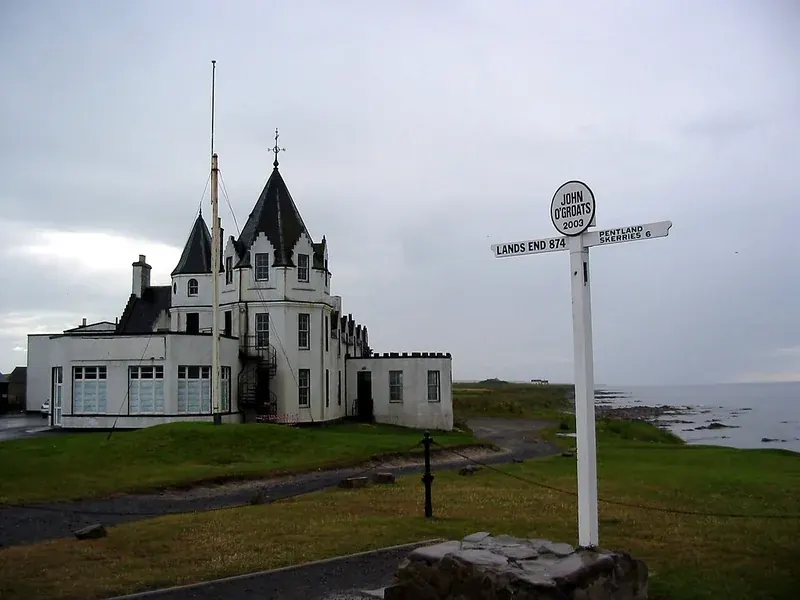
The UK is located in the north west of Europe. The longest distance on the mainland is from John O'Groats on the north coast of Scotland to Land's End in the south-west corner of England — about 870 miles (approximately 1,400 kilometres). Most people live in towns and cities but much of Britain is still countryside. Many people continue to visit the countryside for holidays and for leisure activities such as walking, camping and fishing.
Capitals and major cities
Each list starts with the capital. The colour shows which country a city is in.
England
- 1LondonCapital of the UK and of England
- 2Birmingham
- 3Liverpool
- 4Leeds
- 5Sheffield
- 6Bristol
- 7Manchester
- 8Bradford
- 9Newcastle upon Tyne
- 10Plymouth
- 11Southampton
- 12Norwich
Scotland
- 13EdinburghCapital of Scotland
- 14Glasgow
- 15Dundee
- 16Aberdeen
Wales
- 17CardiffCapital of Wales
- 18Swansea
- 19Newport
Northern Ireland
- 20BelfastCapital and main city
Dublin is the capital of the Republic of Ireland, which is not part of the UK.
Pound sterling
The UK currency is the pound sterling (£). There are 100 pence in a pound.
Coins: 1p, 2p, 5p, 10p, 20p, 50p, £1 and £2
Notes: £5, £10, £20 and £50
Highest values
£2 is the highest coin and £50 is the highest note. There is no 25p coin and no £25 note.
Scottish and Northern Irish notes
Scotland and Northern Ireland have their own banknotes. They are valid everywhere in the UK, but shops and businesses do not have to accept them. Wales has no banknotes of its own.
Since the handbook: Bank of England notes have shown King Charles III since 5 June 2024, and notes showing Queen Elizabeth II are still valid. Some Scottish and Northern Irish banks also issue £100 notes, but the handbook answer is still £50.
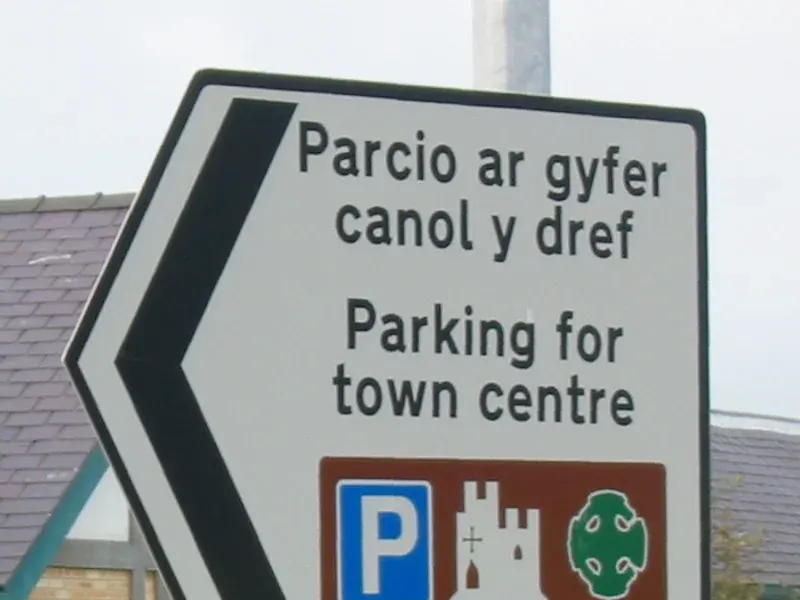
There are many variations in language in the different parts of the UK. The English language has many different accents and dialects. In Wales, many people speak Welsh — a completely different language from English — and it is taught in schools and universities. There is also a Welsh-language television channel. In Scotland, Gaelic is spoken in some parts of the Highlands and Islands. In Northern Ireland, some people speak Irish Gaelic.
Population: growth and where people live
Population growth has been faster in recent years. Migration into the UK and longer life expectancy have both played a part.
UK population milestones
- 1600Just over 4 million
- 17005 million
- 18018 million
- 185120 million
- 190140 million
- 195150 million
- 199857 million
- 2005Just under 60 million
- 2010Just over 62 million
- 2017Just over 66 million
Where people live
The population is very unequally distributed across the four parts of the UK.
- England84%
- Scotlandjust over 8%
- Walesaround 5%
- Northern Irelandless than 3%
England's share has stayed more or less consistently at 84%. Scotland has the second largest share.
Since the handbook: the ONS estimated 69.3 million people in mid-2024, and the four country shares were almost unchanged. The handbook figures above are the answers to learn.
People in the UK are living longer than ever before due to improved living standards and better health care. There are now a record number of people aged 85 and over. This has an impact on the cost of pensions and health care.
The UK population is ethnically diverse and changing rapidly, especially in large cities such as London. Within the UK, it is a legal requirement that men and women should not be discriminated against because of their gender or because they are, or are not, married. They have equal rights to work, own property, marry and divorce. Women in Britain today make up about half of the workforce. On average, girls leave school with better qualifications than boys, and more women than men study at university. It is no longer expected that women should stay at home and not work, and women often continue to work after having children.
Read the full explanation (3 min)Optional: the facts above, told in order as one read.
The UK today is a more diverse society than it was 100 years ago, in both ethnic and religious terms. Post-war immigration means that nearly 10% of the population has a parent or grandparent born outside the UK. The UK continues to be a multinational and multiracial society with a rich and varied culture, and it welcomes those who want to make a positive contribution to society.
The UK is located in the north west of Europe. The longest distance on the mainland is from John O’Groats on the north coast of Scotland to Land’s End in the south-west corner of England — about 870 miles (approximately 1,400 kilometres). Most people live in towns and cities but much of Britain is still countryside. Many people continue to visit the countryside for holidays and for leisure activities such as walking, camping and fishing.
The major cities of England are London, Birmingham, Liverpool, Leeds, Sheffield, Bristol, Manchester, Bradford, Newcastle upon Tyne, Plymouth, Southampton and Norwich. In Wales, the main cities are Cardiff, Swansea and Newport. The main city of Northern Ireland is Belfast. Scotland’s major cities are Edinburgh, Glasgow, Dundee and Aberdeen.
The capital city of the UK is London. The capital of Scotland is Edinburgh, the capital of Wales is Cardiff, and the capital of Northern Ireland is Belfast.
The currency in the UK is the pound sterling (symbol £). There are 100 pence in a pound. Coins come in denominations of 1p, 2p, 5p, 10p, 20p, 50p, £1 and £2. Notes come in denominations of £5, £10, £20 and £50. Northern Ireland and Scotland have their own banknotes, which are valid everywhere in the UK. However, shops and businesses do not have to accept them.
There are many variations in language in the different parts of the UK. The English language has many different accents and dialects. In Wales, many people speak Welsh — a completely different language from English — and it is taught in schools and universities. There is also a Welsh-language television channel. In Scotland, Gaelic is spoken in some parts of the Highlands and Islands. In Northern Ireland, some people speak Irish Gaelic.
The official handbook population milestones are: just over 4 million in 1600, 5 million in 1700, 8 million in 1801, 20 million in 1851, 40 million in 1901, 50 million in 1951, 57 million in 1998, just under 60 million in 2005, just over 62 million in 2010, and just over 66 million in 2017. Population growth has been faster in more recent years. Migration into the UK and longer life expectancy have both played a part in population growth.
The population is very unequally distributed over the four parts of the UK. England accounts for more or less consistently 84% of the total population, Scotland just over 8%, Wales around 5%, and Northern Ireland less than 3%.
People in the UK are living longer than ever before due to improved living standards and better health care. There are now a record number of people aged 85 and over. This has an impact on the cost of pensions and health care.
The UK population is ethnically diverse and changing rapidly, especially in large cities such as London. Within the UK, it is a legal requirement that men and women should not be discriminated against because of their gender or because they are, or are not, married. They have equal rights to work, own property, marry and divorce. Women in Britain today make up about half of the workforce. On average, girls leave school with better qualifications than boys, and more women than men study at university. It is no longer expected that women should stay at home and not work, and women often continue to work after having children.
Do not mix up
Practise
Check this topic
Preparing three random questions from this topic.