
In this topic
What to be able to answer
- Know the five fundamental principles of British life as one equal set.
- Recognise that they are based on history and traditions and protected by law, customs, and expectations.
- Remember that extremism and intolerance have no place in British society.
- Identify the citizenship pledge language about loyalty, rights, democratic values, laws, duties, and obligations.
- Spot the distractors: monarchy, autocracy and dictatorship are not principles.
Learn
The foundation of British society
British society is founded on fundamental values and principles which all those living in the UK should respect and support. These values are reflected in the responsibilities, rights and privileges of being a British citizen or permanent resident of the UK. Good citizens are an asset to the UK, and people who want to make a positive contribution to society are welcome.
They are based on history and traditions and are protected by law, customs and expectations. There is no place in British society for extremism or intolerance.
The five fundamental principles of British life
All five carry equal weight. You may be asked to pick two from a mixed list.
- DemocracyPeople choose who governs
- The rule of lawEveryone must obey the law
- Individual libertyFreedom to live your own life within the law
- Tolerance of those with different faiths and beliefsRespect people whose religion or beliefs differ
- Participation in community lifeTake part in your local community
Not on the list: monarchy, autocracy or dictatorship.
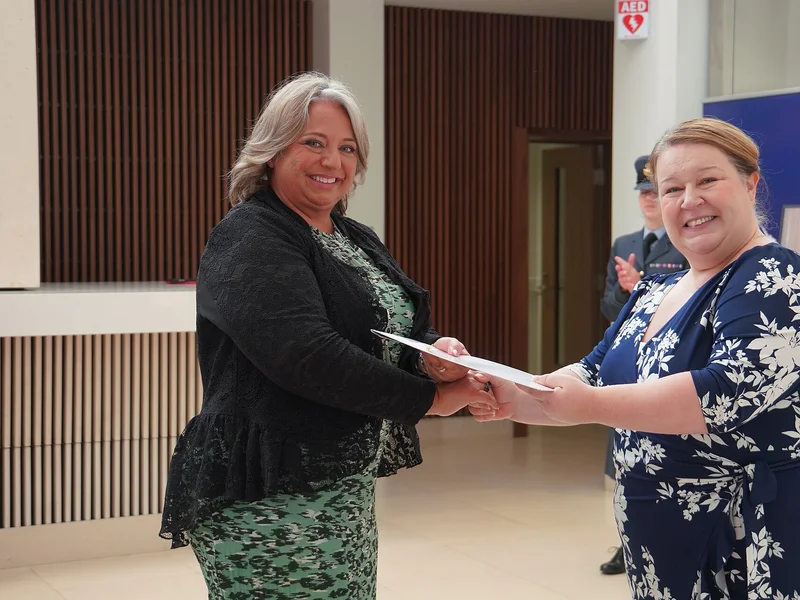
As part of the citizenship ceremony, new citizens pledge to uphold these values. The pledge is: ‘I will give my loyalty to the United Kingdom and respect its rights and freedoms. I will uphold its democratic values. I will observe its laws faithfully and fulfil my duties and obligations as a British citizen.’
Do not mix up
Practise
Check this topic
Preparing three random questions from this topic.