
In this topic
What to be able to answer
- Know who built the welfare state: Beveridge, Butler, Attlee and Bevan.
- Place 1947 independence, 1948 migration from the West Indies and the 1950s recruitment drive.
- Know the EEC's six founders and that the UK joined in 1973.
- Recognise Dylan Thomas, the Swinging Sixties, Mary Peters and the start of the Troubles.
Learn
The welfare state, the end of empire, migration, Europe and the 1960s and 1970s
Britain from 1945 to the 1970s
The welfare state, the end of empire and new migration, and the first steps into Europe.
The welfare state
- 1942Beveridge Report
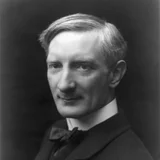
William Beveridge said the government should fight five 'Giant Evils': Want, Disease, Ignorance, Squalor and Idleness. His report became the basis of the modern welfare state.
- 1944Butler Act
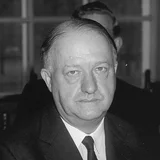
R. A. Butler, a Conservative MP, oversaw the Education Act that brought free secondary education in England and Wales and the split between primary and secondary schools.
- 1945Clement Attlee, Labour
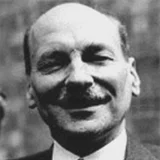
A country exhausted by war elected a Labour government. Attlee was Prime Minister from 1945 to 1951 and promised the welfare state set out by Beveridge.
- 1948National Health Service
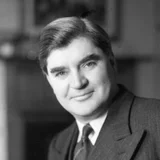
Health Minister Aneurin (Nye) Bevan led the creation of the NHS, free at the point of use. A national benefits system gave 'social security' from the 'cradle to the grave'.
- 1945–51Nationalisation
Attlee's government took the railways, coal mines, steel, and gas, water and electricity supplies into public ownership.
Empire and migration
- 1947Independence
Nine countries, including India, Pakistan and Ceylon (now Sri Lanka), became independent. Colonies in Africa, the Caribbean and the Pacific followed over the next 20 years.
- 1948Workers from the West Indies
With labour short after the war, workers came from Ireland and Europe, and people from the West Indies were invited to help rebuild Britain.
- 1950sRecruiting overseas
Immigration was encouraged for economic reasons. Bus companies recruited in the West Indies; textile and engineering firms recruited in India and Pakistan. For about 25 years people came from the West Indies, India, Pakistan and later Bangladesh.
- 1951–64Conservative government
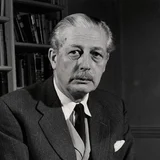
Economic recovery and rising prosperity. Prime Minister Harold Macmillan was famous for his 'wind of change' speech about independence for the countries of the Empire.
- Late 1960sNew limits
Laws restricted immigration, though in the early 1970s Britain admitted 28,000 people of Indian origin forced to leave Uganda.
Britain, the world and Europe
- Post-warAtomic bomb and NATO
The UK developed its own atomic bomb and joined NATO, an alliance set up against the perceived threat of invasion by the Soviet Union.
- 1957The EEC is formed
Six countries formed the European Economic Community, which later became part of the European Union: West Germany, France, Belgium, Italy, Luxembourg and the Netherlands. The UK was not one of them.
- 1973The UK joins the EEC
The UK became a member of the European Economic Community.
Dylan Thomas (1914–53) was a Welsh poet and writer. His most well-known works include the radio play Under Milk Wood and the poem Do Not Go Gentle into That Good Night. He died at the age of 39 in New York.

The 1960s were known as the ‘Swinging Sixties’, a time of social change and growth in British fashion, cinema and popular music. Two well-known pop groups were The Beatles and The Rolling Stones. Social laws were liberalised, including laws on divorce and abortion. The position of women at work improved: Parliament passed laws giving women the right to equal pay and making it illegal for employers to discriminate against women because of their gender.
In the late 1970s, the post-war economic boom came to an end. Prices rose sharply, and strikes caused problems between the trade unions and the government. Northern Ireland saw serious unrest, known as ‘the Troubles’: some 3,000 people lost their lives in the decades after 1969, and in 1972 the Northern Ireland Parliament was suspended and Northern Ireland was ruled directly by the UK government. Mary Peters (1939–), born in Manchester, moved to Northern Ireland as a child and won an Olympic gold medal in the pentathlon in 1972. She was made a Dame in 2000 and continues to promote sport and tourism in Northern Ireland.
Read the full story (3 min)Optional: the facts above, told in order as one read.
Although the UK had won the war, the country was exhausted economically and people wanted change. In 1945 the British people elected a Labour government. The new Prime Minister, Clement Attlee (1883–1967), promised to introduce the welfare state outlined in the Beveridge Report, and was Prime Minister from 1945 to 1951. William Beveridge’s 1942 report recommended that the government should fight the five ‘Giant Evils’ of Want, Disease, Ignorance, Squalor and Idleness, and provided the basis of the modern welfare state.
In 1948, Aneurin (Nye) Bevan, the Minister for Health, led the establishment of the National Health Service (NHS), which guaranteed a minimum standard of health care for all, free at the point of use. A national system of benefits was also introduced to provide ‘social security’ from the ‘cradle to the grave’. Attlee’s government nationalised the railways, coal mines and steel, and gas, water and electricity supplies.
R. A. Butler, a Conservative MP, oversaw the Education Act 1944 (the ‘Butler Act’), which introduced free secondary education in England and Wales. The division between primary and secondary schools that it enforced still remains in most areas of Britain.
Dylan Thomas (1914–53) was a Welsh poet and writer. His most well-known works include the radio play Under Milk Wood and the poem Do Not Go Gentle into That Good Night. He died at the age of 39 in New York.
In 1947, independence was granted to nine countries, including India, Pakistan and Ceylon (now Sri Lanka). Other colonies in Africa, the Caribbean and the Pacific achieved independence over the next 20 years. The UK developed its own atomic bomb and joined NATO, an alliance set up to resist the perceived threat of invasion by the Soviet Union.
Britain had a Conservative government from 1951 to 1964. The 1950s were a period of economic recovery and increasing prosperity. The Prime Minister Harold Macmillan was famous for his ‘wind of change’ speech about decolonisation and independence for the countries of the Empire.
Rebuilding after the war required additional labour. Workers came from Ireland and other parts of Europe, and in 1948 people from the West Indies were invited to come and work. During the 1950s, further immigration was encouraged for economic reasons: centres were set up in the West Indies to recruit bus drivers, and textile and engineering firms sent agents to India and Pakistan to find workers. For about 25 years, people from the West Indies, India, Pakistan and later Bangladesh travelled to work and settle in Britain. In the late 1960s new laws restricted immigration, although in the early 1970s Britain admitted 28,000 people of Indian origin who had been forced to leave Uganda.
West Germany, France, Belgium, Italy, Luxembourg and the Netherlands formed the European Economic Community (EEC) in 1957. The EEC later became part of the European Union. The UK was not one of the founding members; it joined the EEC in 1973.
The 1960s were known as the ‘Swinging Sixties’, a time of social change and growth in British fashion, cinema and popular music. Two well-known pop groups were The Beatles and The Rolling Stones. Social laws were liberalised, including laws on divorce and abortion. The position of women at work improved: Parliament passed laws giving women the right to equal pay and making it illegal for employers to discriminate against women because of their gender.
In the late 1970s, the post-war economic boom came to an end. Prices rose sharply, and strikes caused problems between the trade unions and the government. Northern Ireland saw serious unrest, known as ‘the Troubles’: some 3,000 people lost their lives in the decades after 1969, and in 1972 the Northern Ireland Parliament was suspended and Northern Ireland was ruled directly by the UK government. Mary Peters (1939–), born in Manchester, moved to Northern Ireland as a child and won an Olympic gold medal in the pentathlon in 1972. She was made a Dame in 2000 and continues to promote sport and tourism in Northern Ireland.
Do not mix up
Practise
Check this topic
Preparing three random questions from this topic.